Account Management Versus Business Development: How to Structure the Team
The 360 versus split desk argument is usually had as a philosophy. It is a question about firm size and role complexity.
A 360 recruiter wins the client and fills the role. A split desk separates the two. Firms argue about which is better as though there is a universal answer, when the useful question is what your firm size and role complexity make possible. Both structures work, both fail in specific and predictable ways, and the transition between them is where most firms break.
Last reviewed August 2026. Assessment drawn from Sortinghat customer observation, stated as directional.
Key takeaways
- 360 works below a size threshold and becomes the constraint above it. One person cannot sell and deliver at volume indefinitely.
- Split desks trade context for specialisation. The person who took the brief is not the person filling it, which is a real cost.
- The transition is where firms break. Moving from 360 to split changes commission, ownership and identity at once.
- Hybrid structures usually win in the middle. 360 on new business, split on scaled accounts.
What each structure optimises for
360. Context and ownership. The person who heard the client describe the role is the person searching for it, which removes the single largest source of wasted submissions. The recruiter also owns the outcome completely, which is motivating and simplifies commission enormously.
Split. Specialisation and scale. Selling and delivering are genuinely different skills, and few people are excellent at both. A split desk lets each person do what they are good at and lets the firm hire against two clearer profiles.
The trade is context. On a split desk somebody writes down what the client said and somebody else reads it, and information is lost in that handover unless the briefing is captured properly.
When 360 stops working
Not at a fixed headcount. At the point where selling and delivering start competing for the same hours.
The symptom is predictable: a recruiter fills roles for two months, stops prospecting because they are busy delivering, then has no pipeline in month three and spends it prospecting instead of filling. Revenue oscillates and nobody can explain why.
That cycle is the signal that the desk has outgrown 360, and it typically appears well before firms act on it because the individual months look fine in isolation.
How split desks fail
Three ways, all fixable.
The brief is lost in handover. The information that decides most rejections was never written down, which is a briefing capture problem rather than a structure problem. Weighted criteria agreed with the client at intake solve most of it, per hiring scorecards.
Delivery gets no client contact. A recruiter who never speaks to a hiring manager loses the ability to qualify, and their submissions drift.
Commission creates conflict. If the split is undefined, every placement is a negotiation, per designing an incentive plan.
What automation changes about the choice
The traditional argument for splitting was capacity: one person could not source, screen and sell enough to sustain a desk alone.
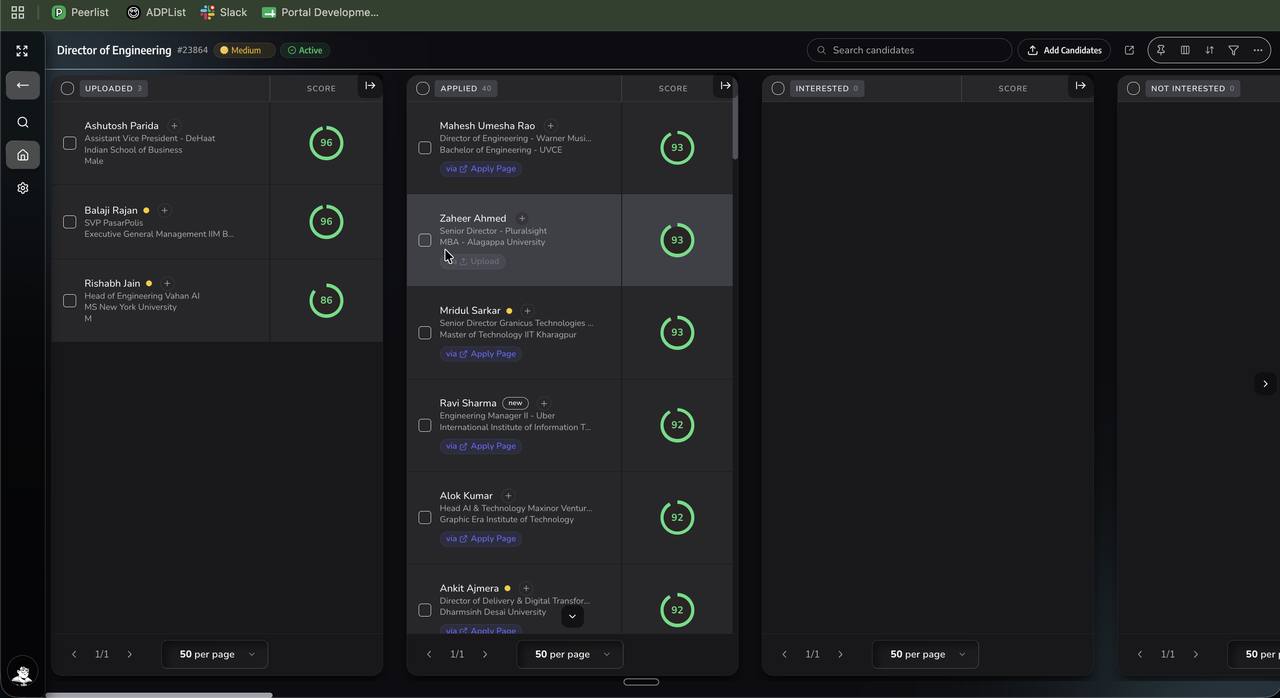
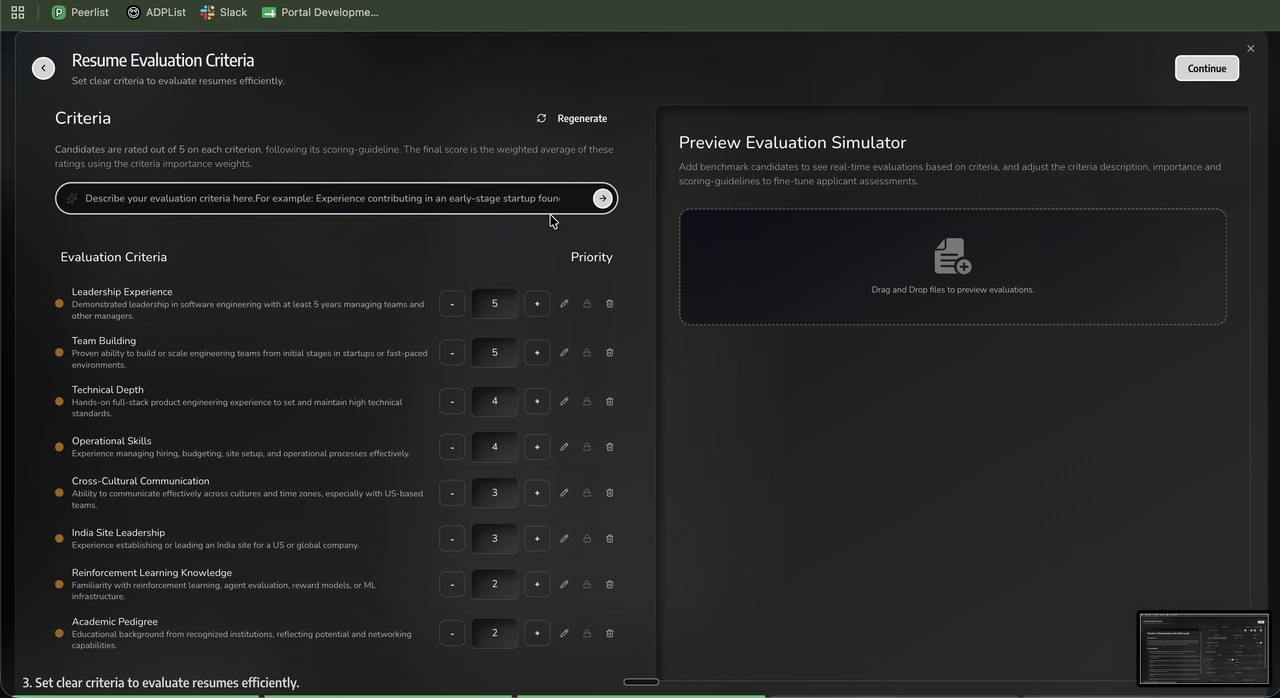
When sourcing and first-pass screening are automated, a 360 recruiter can carry considerably more without the oscillation, because the delivery half consumes fewer hours. A pool search producing roughly ten submission-ready profiles in hours changes what one person can hold, per what one screening day produces.
That does not make split desks obsolete. It moves the threshold at which splitting becomes necessary, which means some firms that split early did so to solve a problem that is now cheaper to solve differently.
The hybrid that usually works
Most firms above twenty recruiters land somewhere in between rather than at either pole.
360 on new business. Winning a client and filling their first roles benefits enormously from one person holding the context, and it is where the relationship is established.
Split on scaled accounts. Once an account produces volume, a dedicated delivery function is more efficient and the account manager can focus on expansion.
One named account owner regardless. Somebody accountable for the client overall, which is what prevents an account falling between two people who each own half of it.
How to make the transition without breaking things
The move from 360 to split changes commission, ownership and professional identity simultaneously, which is why it goes badly.
Change one account at a time, starting with your largest, rather than restructuring the firm in a quarter.
Define the commission split before the first handover, not after the first dispute.
Keep delivery in client contact. Even limited exposure preserves the qualification skill that split desks otherwise erode.
Expect your best 360 recruiter to resist. They are losing autonomy and possibly earnings, and their objection is rational rather than obstructive.
Frequently asked questions
What is a 360 recruiter?
One person who both wins the client and fills the role, holding business development and delivery together. It preserves context and ownership, and it becomes a constraint once selling and delivering start competing for the same hours.
When should a staffing firm move to split desks?
When revenue starts oscillating because recruiters stop prospecting while delivering and then have no pipeline the following month. That cycle is the signal, and it usually appears before firms act on it.
What do split desks lose?
Context. The person who heard the client describe the role is not the person searching for it, and the information that decides most rejections is frequently never written down unless briefing capture is deliberate.
Does automation change the 360 versus split decision?
It moves the threshold. When sourcing and first-pass screening consume fewer hours, a 360 recruiter can carry more without the prospecting oscillation, which means some firms split earlier than they now need to.
What structure works best for mid-sized agencies?
Usually a hybrid: 360 on new business where holding context matters most, split delivery on scaled accounts where volume justifies specialisation, and one named account owner accountable for the client overall.
How do you transition from 360 to split desks?
One account at a time starting with the largest, with the commission split defined before the first handover, delivery kept in some client contact, and an expectation that your strongest 360 recruiter will reasonably object.
The pattern to look for in your own numbers
Plot monthly placements per recruiter over the last year. If you see a two-months-up, one-month-flat rhythm, that is the 360 oscillation and it is a structural signal rather than a performance one.
It means the desk has outgrown one person doing both, and no amount of encouragement to prospect while delivering will change it.
See capacity per recruiter
Bring your placement data and we will show you how many roles each person is genuinely working.
Book a demoFounder of Sortinghat, an AI-native ATS and CRM for staffing, search and RPO firms. Writes about recruiter capacity, sourcing economics and what actually changes when AI reaches a delivery desk. More about the author
Related reading