Notes from the builders of Sortinghat
We share our journey and transparent case studies, to earn a little more of your trust.
From Apoorv (Founder, Sortinghat)
14 articlesFounder-written pieces on how the platform works in practice, built around real platform data rather than category commentary.
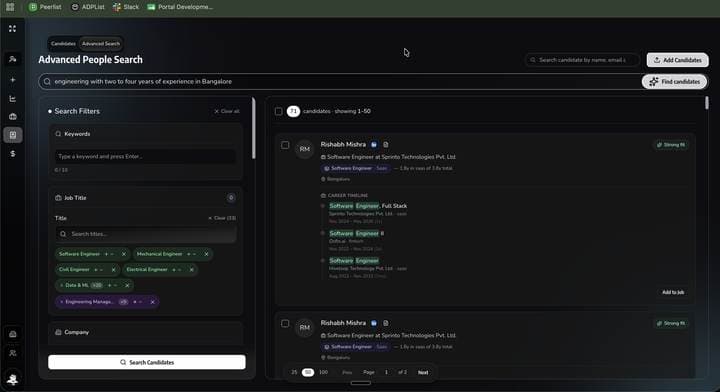
Talent Pool Software: How to Rank Your Own Database Before You Pay a Job Portal
We audited 3 million candidate records sitting in one firm's Google Drive folders. A tenth were duplicates, a tenth were junk, and 80% were unique profiles nobody had touched in years.
Read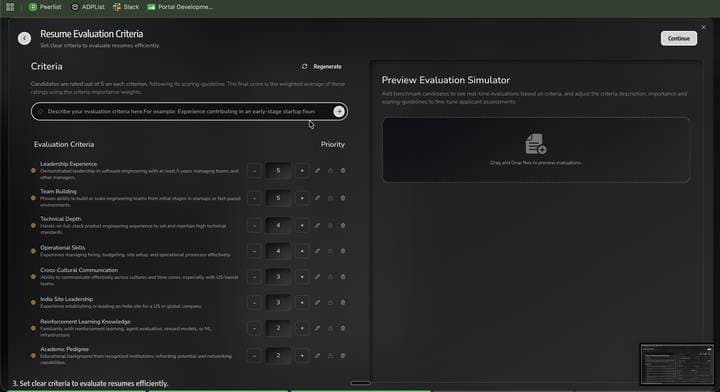
Hiring Scorecards: How to Turn a Job Description Into Weighted Evaluation Criteria
A job description tells candidates about the role. A hiring scorecard tells your team who to reject, and why. Here is one built from a real job description, with the actual weights.
Read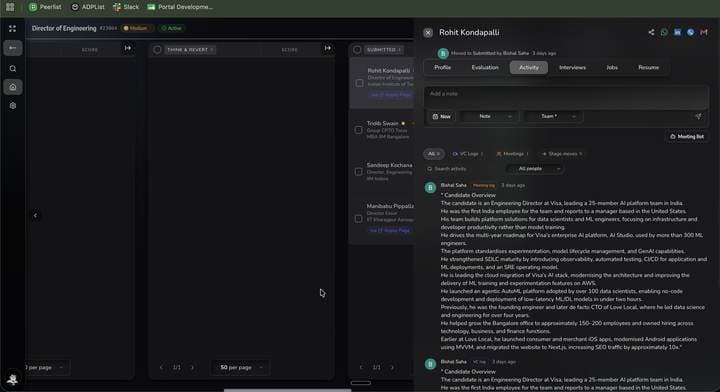
AI Screening Calls: What Gets Asked, Verified and Written to the Record
Roughly 70% of candidates complete an AI screening call, and it takes three to seven minutes. Here is what the call is for, which CV claims collapse under it, and what lands on the record afterwards.
Read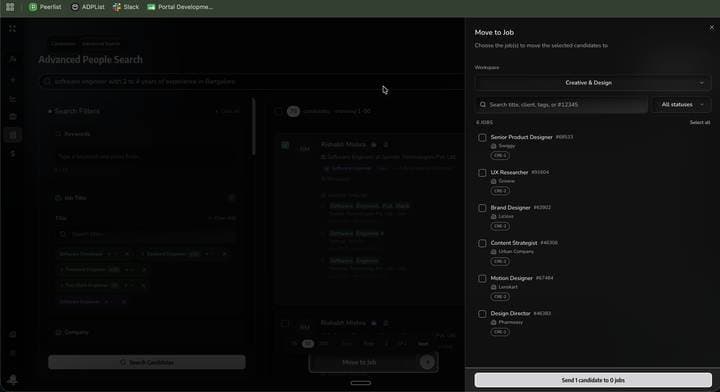
Natural Language Candidate Search: Five Real Queries, and Why Vague Ones Fail
Real searches run against a live staffing database, the results they returned, and the single reason most natural language queries disappoint the person typing them.
Read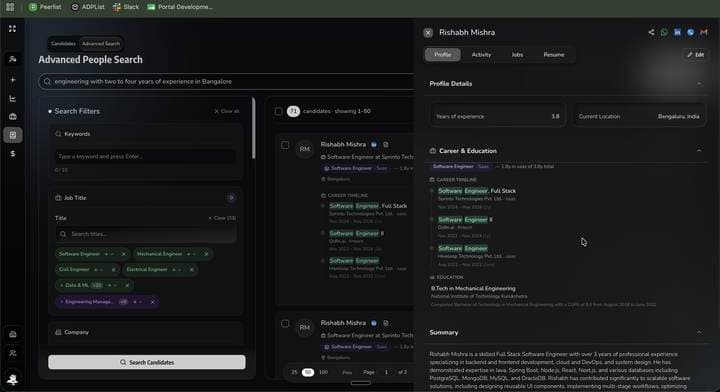
LinkedIn Sourcing: What Our Chrome Extension Collects, and What It Does Not
A plain account of how the extension works, what it collects, where that data goes, how long it is kept, and the questions your client's legal team will ask you about it.
Read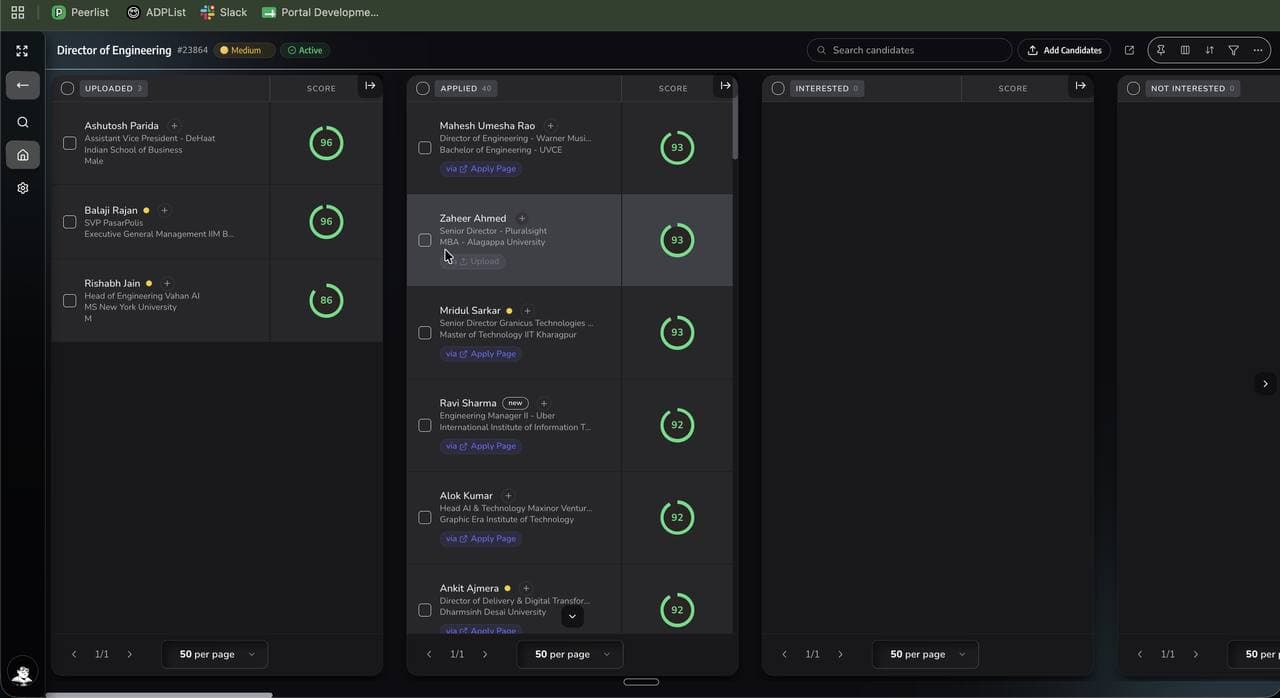
Staffing KPIs: The Four Numbers a Firm Owner Should Check Every Day
Fill rate and time-to-fill are outcomes. By the time they move, the decision that caused them is six weeks old. Four numbers move earlier, and together they predict next month's revenue closely enough to act on.
Read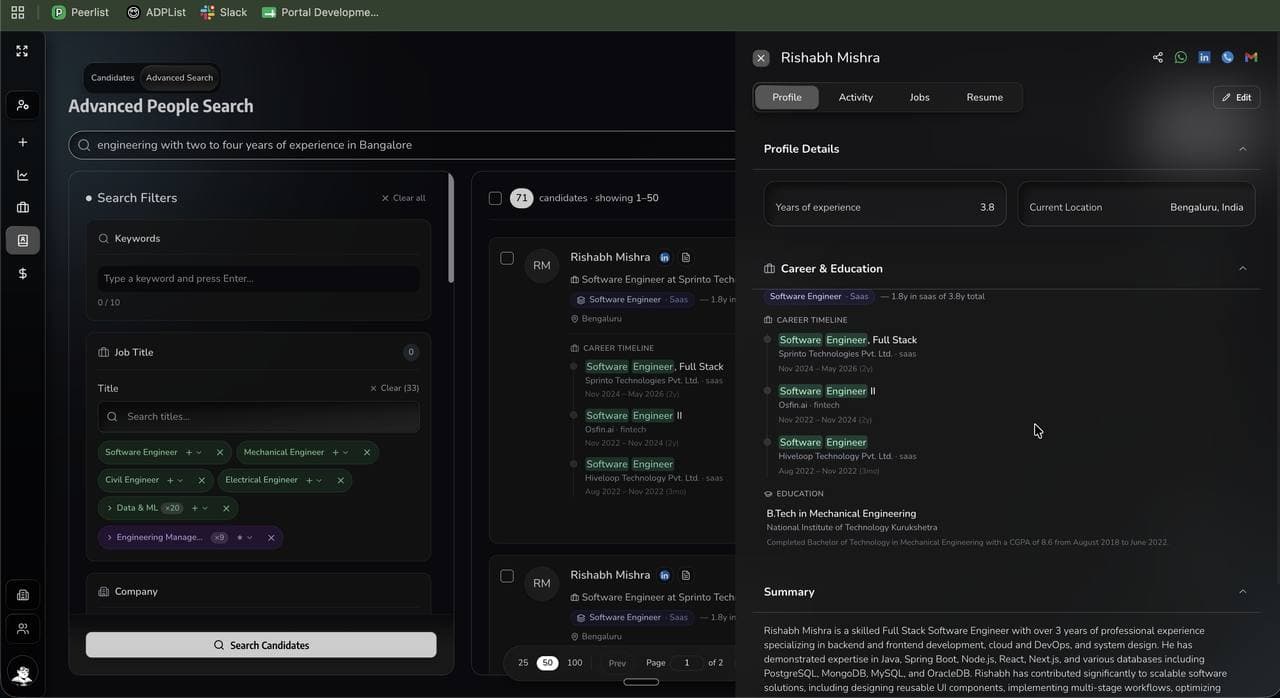
Recruiter Admin Time: Where the Hours Actually Go, and What Automatic Capture Removes
A candidate's history lives across five channels. The record holds whichever one the recruiter remembered to log. Here is what that costs and what automatic capture has to produce to fix it.
Read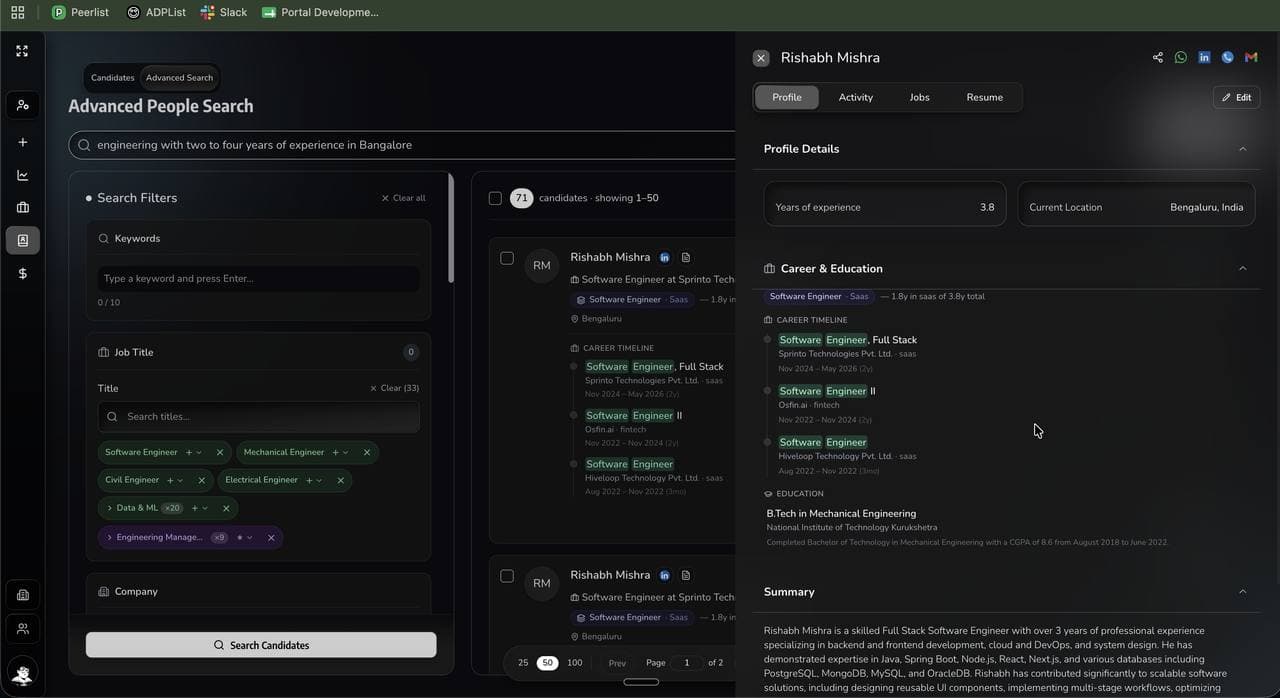
Candidate Response Rates by Channel: Call, WhatsApp and Email Compared
Out of 100 candidates contacted for a strong role: about 40 respond to a call, 25 on WhatsApp, and 12 to 15 by email. Here is what that means for how you sequence outreach.
Read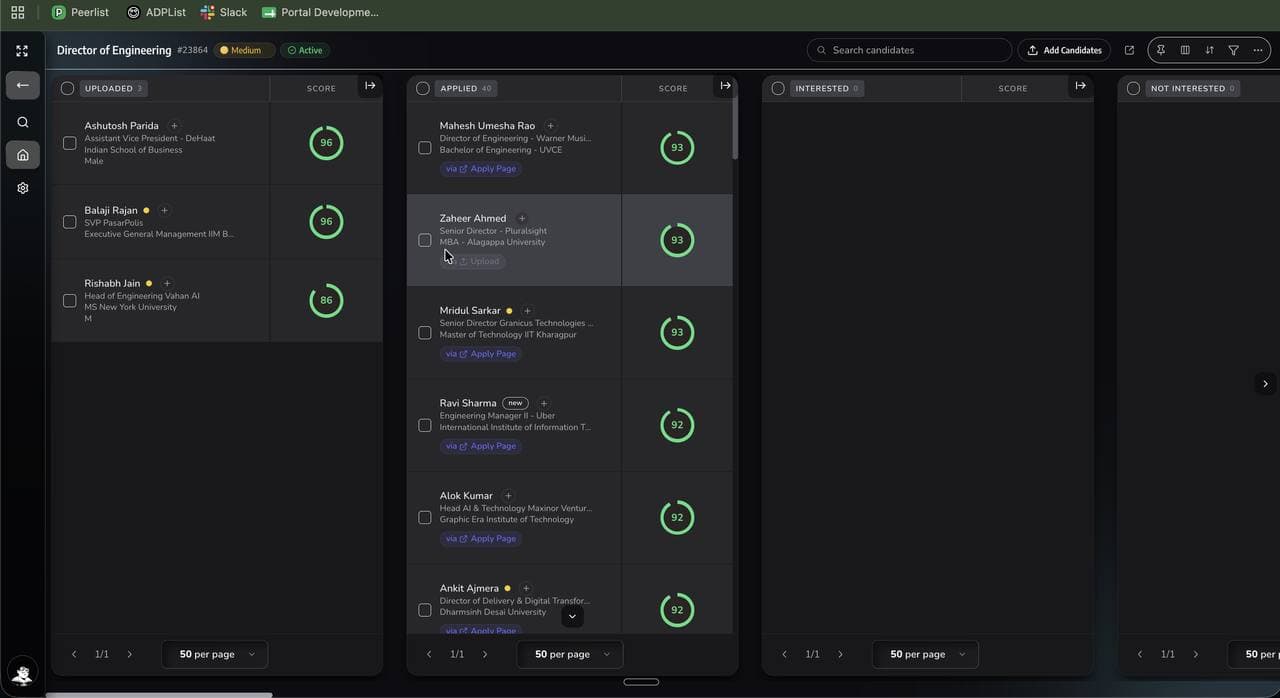
High Volume Recruiting: What One Screening Day Actually Produces
A recruiter makes about 40 calls a day and finds 3 or 4 people worth submitting. Here is what changes when the pool is filtered first, and where the approach stops working.
Read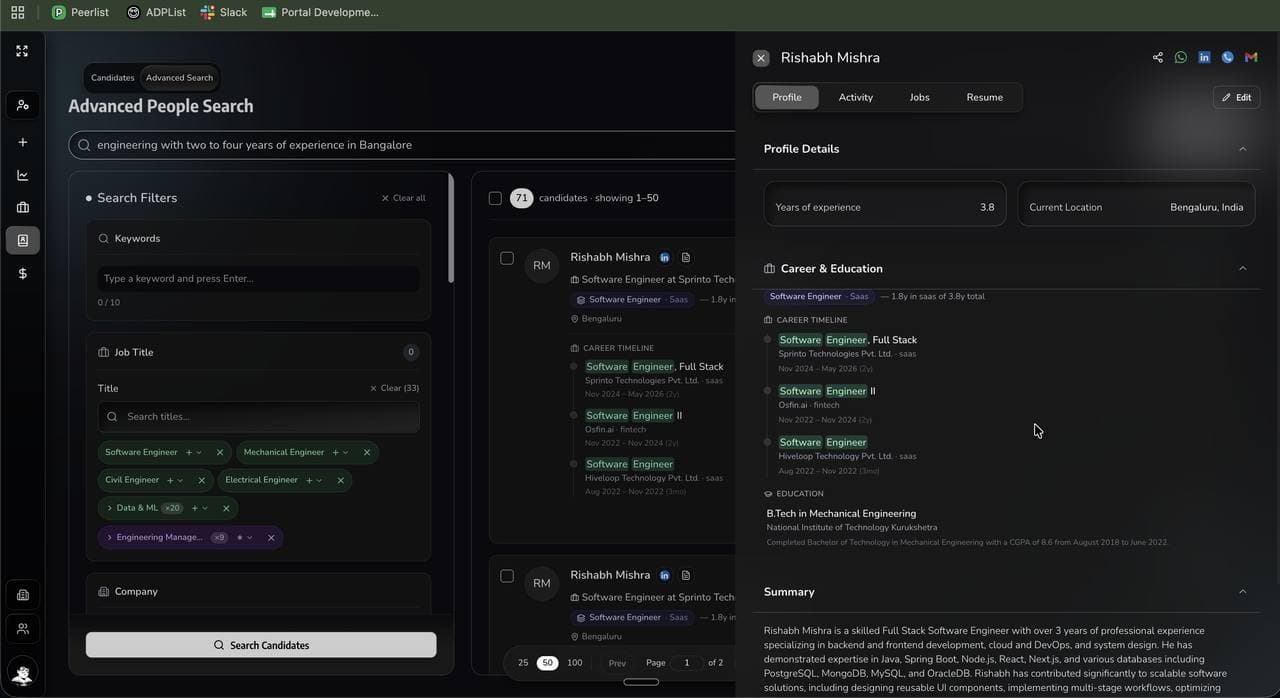
Recruitment CRM: What It Should Do Beyond Storing Names
A staffing CRM has three jobs: win the client, deliver the role, collect the money. Most tools do the middle one and treat the other two as somebody else's problem.
Read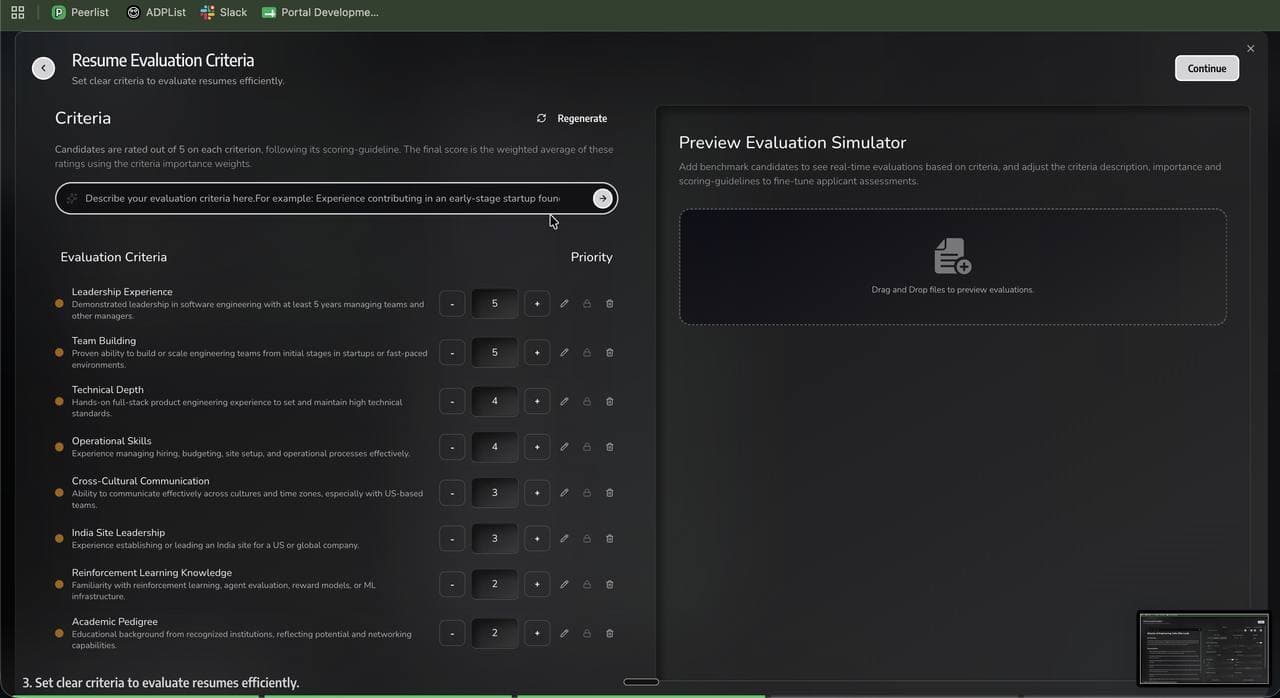
AI Interviews: How the Questions Are Built, What Gets Scored, and Where the Human Sits
An AI interview is only as good as its questions, and most are drawn from a generic bank. Here is what changes when they come from the role's own criteria instead.
Read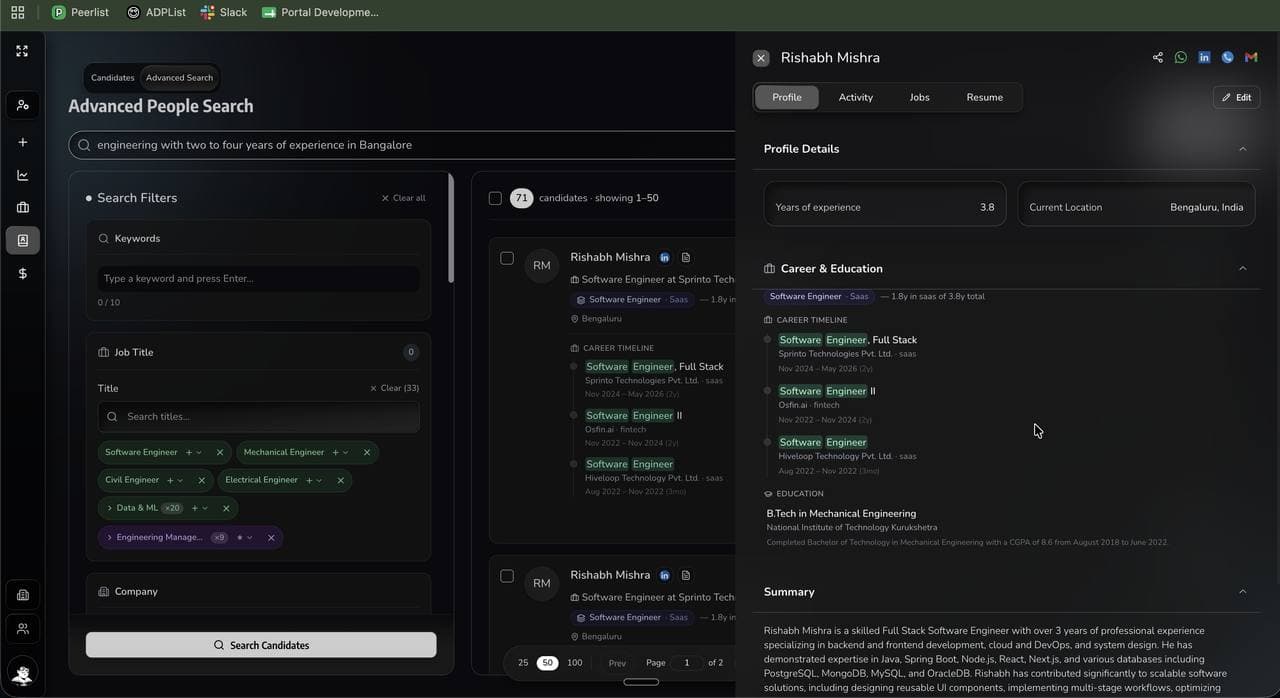
Duplicate Candidate Records: Why They Happen, What They Cost, and How to Prevent Them
In a 3 million record audit at one firm, about 10% were duplicates. Here is how they enter, what identifier-based matching catches and misses, and what a merge has to preserve.
Read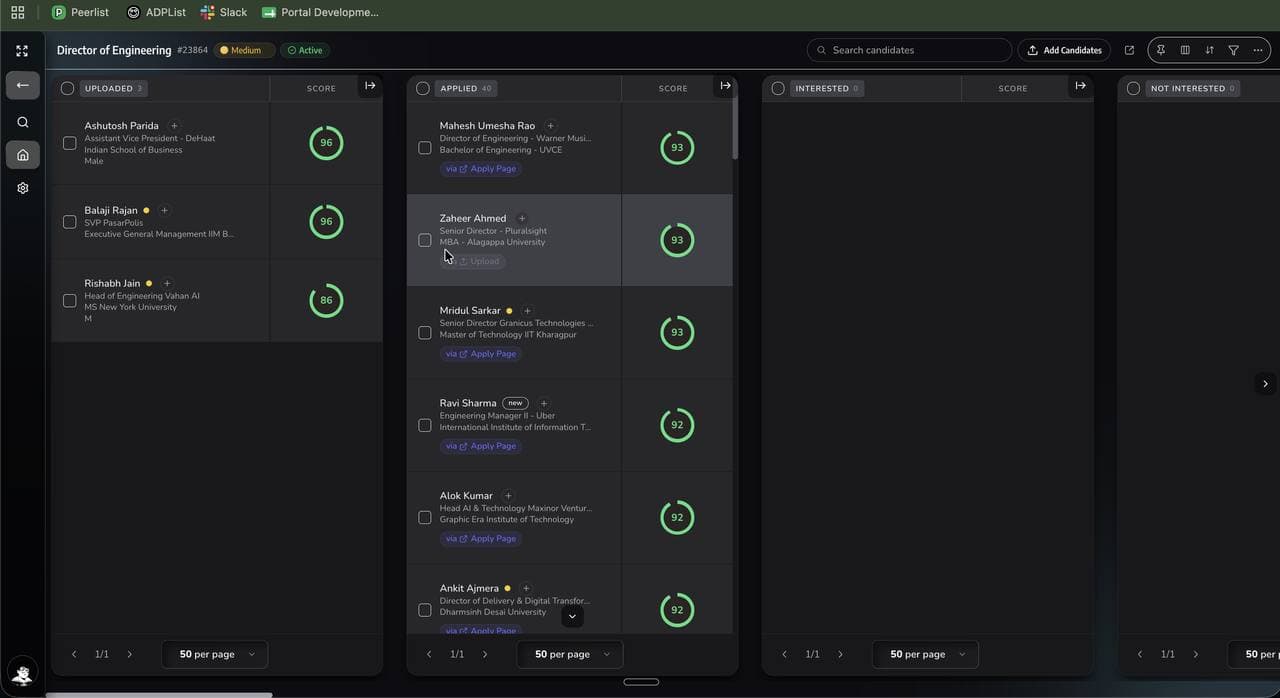
Candidate Ownership Rules for Multi-Desk Staffing Firms
Candidate ownership is a commission policy pretending to be a software setting. Here are the three permission models, what should trigger ownership, and why it needs to expire.
Read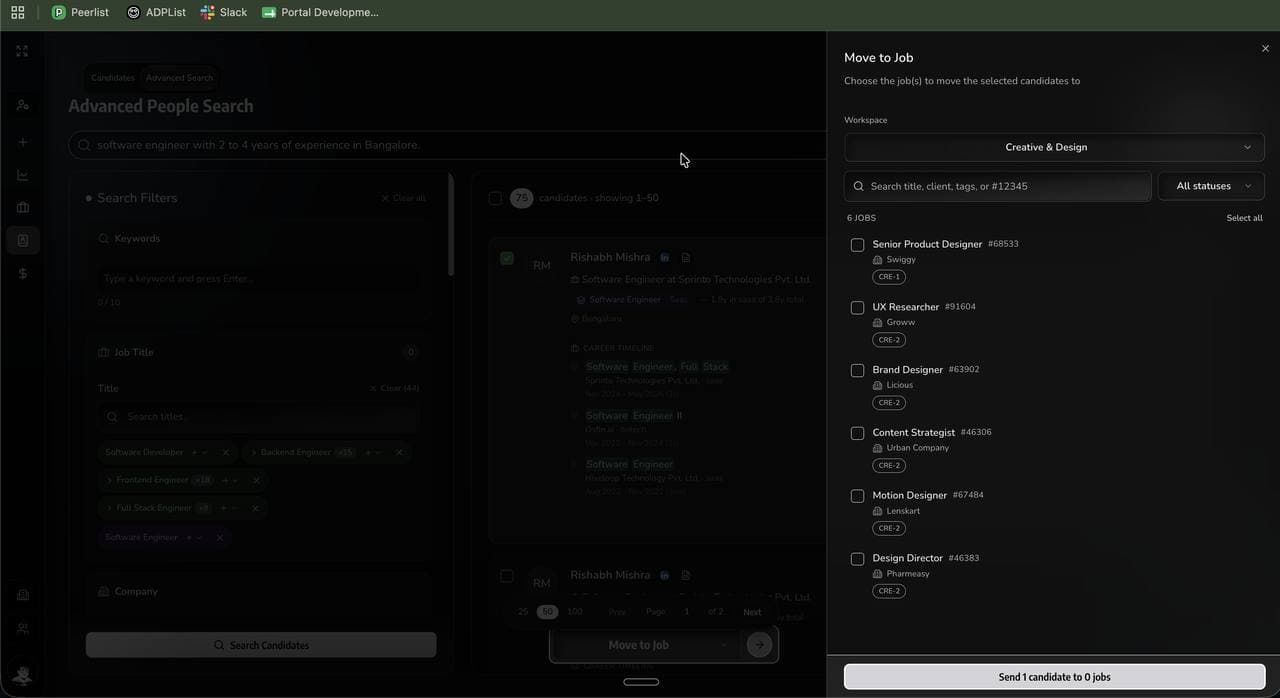
ATS Integrations: What Syncs One Way, What Syncs Both, and How Often
Integration pages are usually a wall of logos with no information behind them. A buyer needs three things per connection: what data moves, which direction, and how often.
ReadProduct Comparison 101
25 articlesHonest, side-by-side comparisons of the tools staffing firms actually evaluate, including where the incumbents genuinely win.
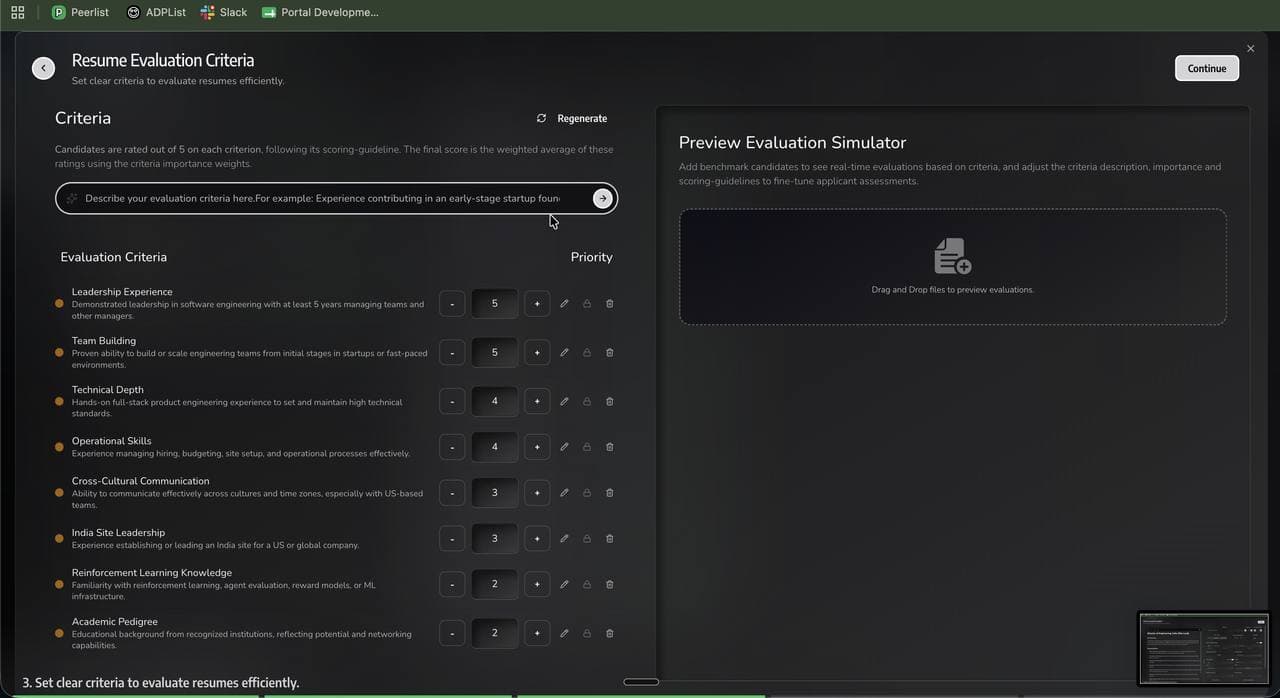
Best ATS and CRM for RPO Firms in 2026
RPO delivery is not agency delivery with a different contract. The tooling requirements are genuinely different and almost no vendor writes for them.
Read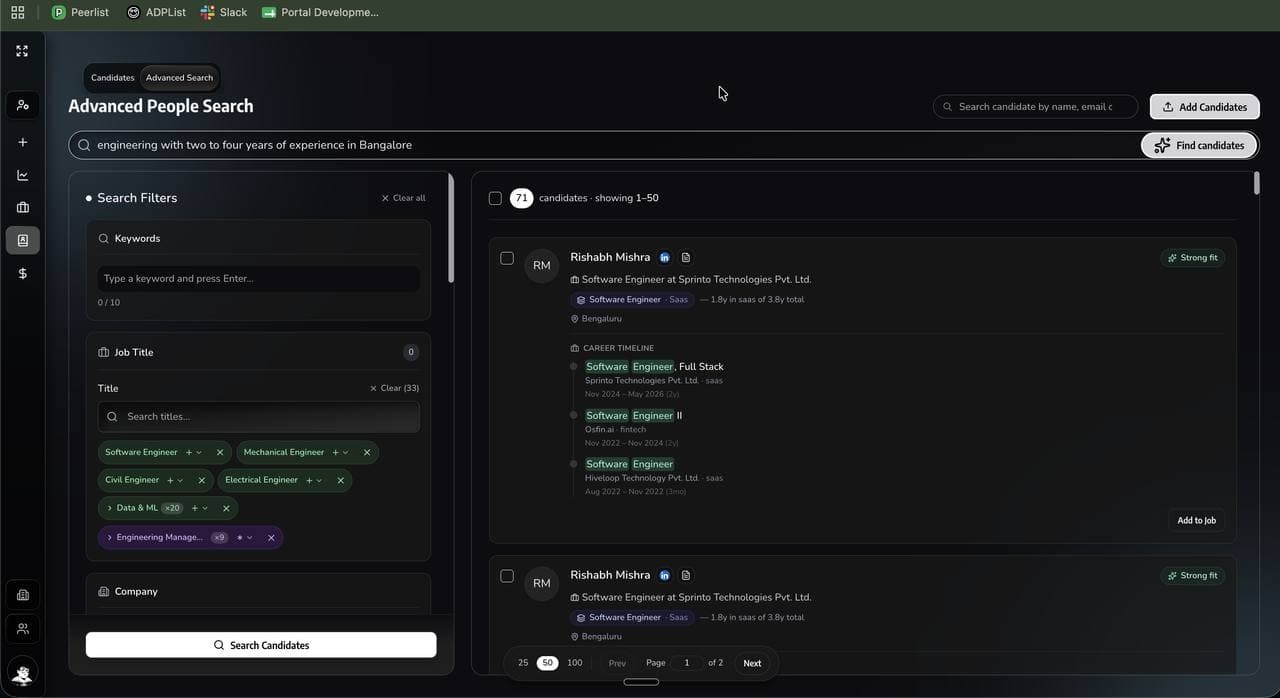
Best Recruitment Software for GCC Hiring Partners in 2026
India now hosts 2,117 global capability centres employing 2.36 million people, and almost no recruitment platform is built for the firms staffing them.
Read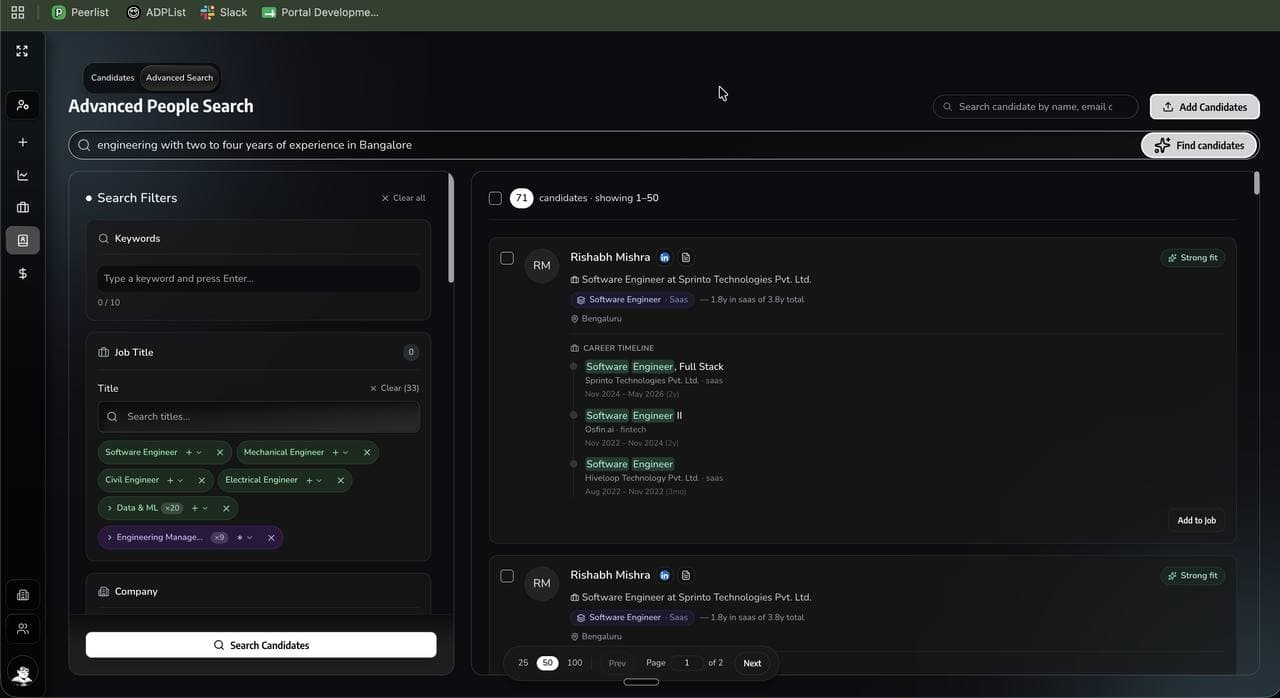
Best ATS for Staffing Firms in India in 2026
Most recruitment platforms are designed around email as the primary candidate channel. On an India desk that assumption is wrong on day one.
Read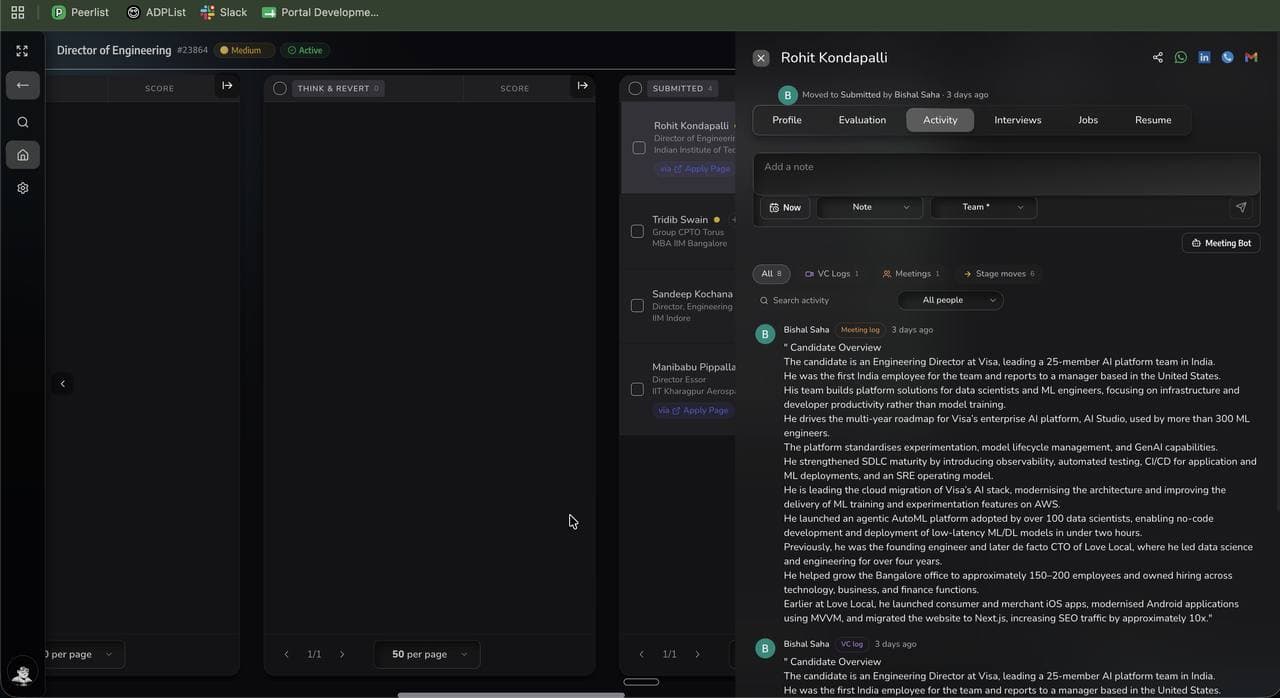
ATS Migration: How to Switch Without Losing Ten Years of Notes
Migration is the single reason most staffing firms stay on a platform they outgrew years ago. It is a two-week project when somebody handles it properly.
Read
Sortinghat vs TargetRecruit: The 2026 Comparison for Salesforce-Based Staffing Firms
TargetRecruit runs on Salesforce and was acquired by Bullhorn in 2025. That means two licences, two vendors and one roadmap you do not control.
Read
Sortinghat vs Tracker RMS: The 2026 Comparison for UK and Global Agencies
Tracker RMS competes on price and bundled timesheets. Neither of those changes how many roles a recruiter can carry.
Read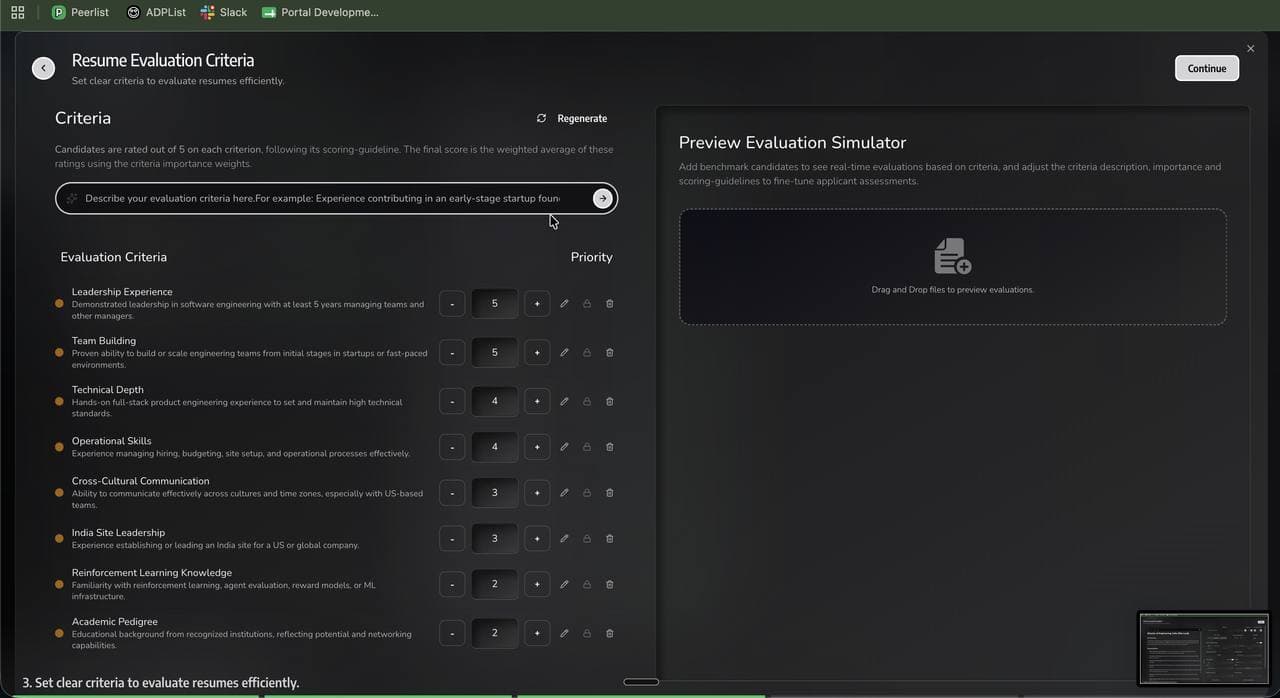
Sortinghat vs PCRecruiter: The 2026 Comparison for Established Recruiting Firms
PCRecruiter has been configurable for a long time. Configurable is not the same as capable, and it is not the same as fast.
Read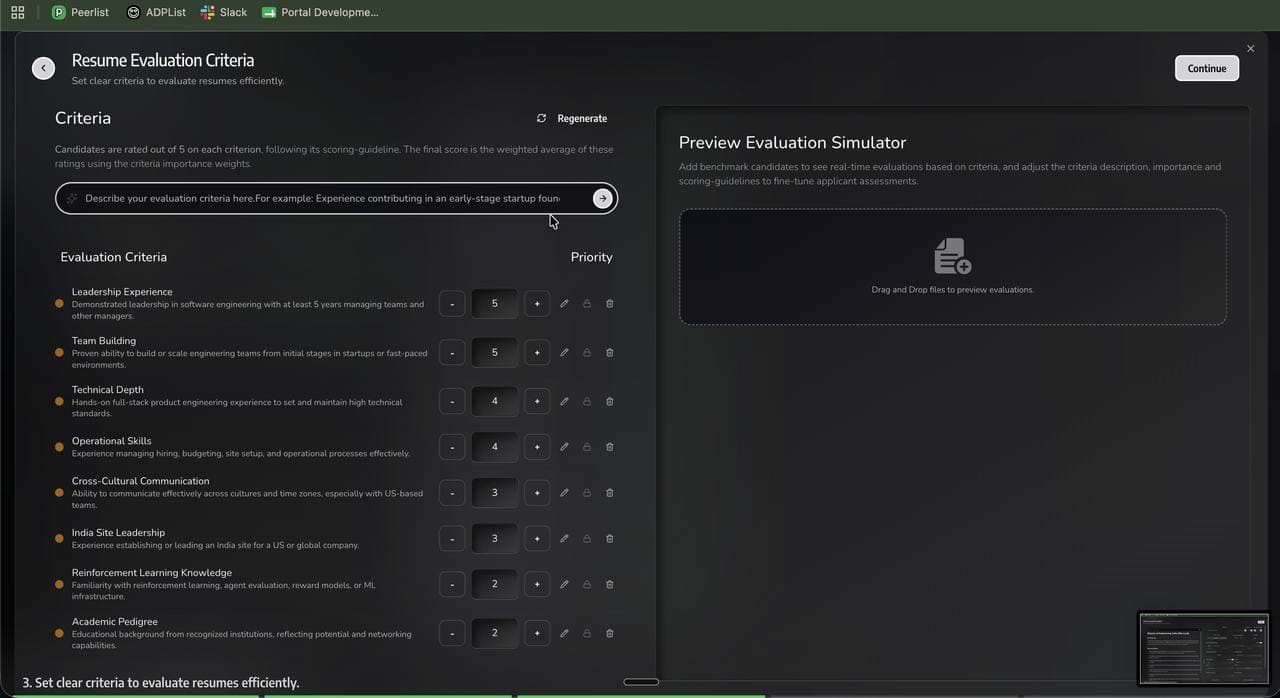
Sortinghat vs Avionte: The 2026 Comparison for Temp and Light Industrial Staffing
Avionte is strongest at paying people. What happens before the placement, the sourcing and the screening, is still entirely manual.
Read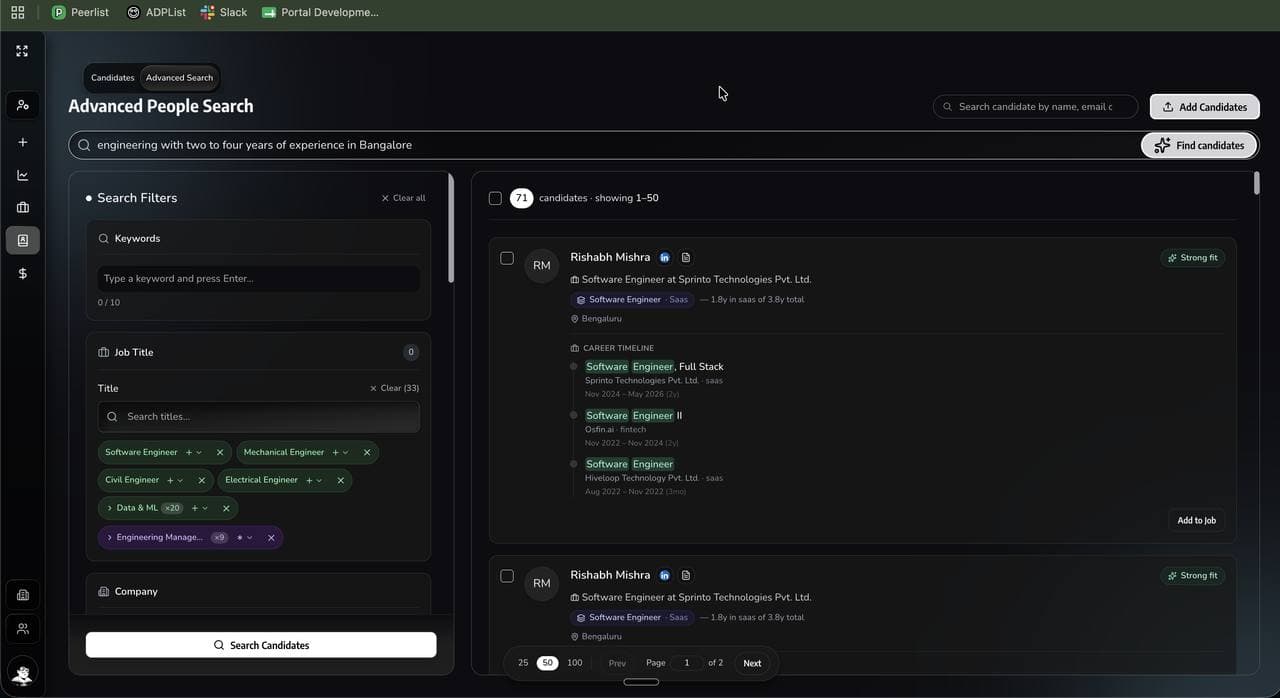
Sortinghat vs JobAdder: The 2026 Comparison for ANZ, UK and Global Agencies
JobAdder gives you an API and expects you to build the rest. The question is whether you have a developer spare, and whether that is what you want them doing.
Read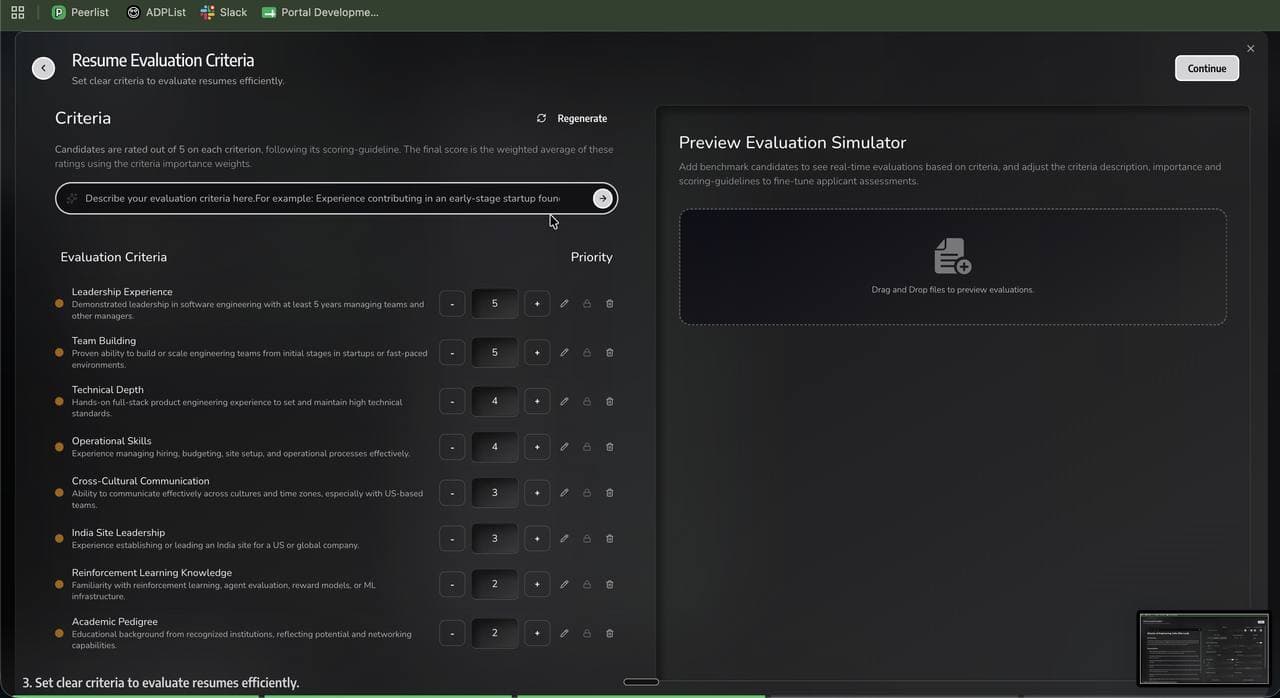
Sortinghat vs Manatal: The 2026 Comparison for Growing Recruitment Teams
Manatal ranks the applications that arrive. Sortinghat generates the pipeline in the first place, then screens it.
Read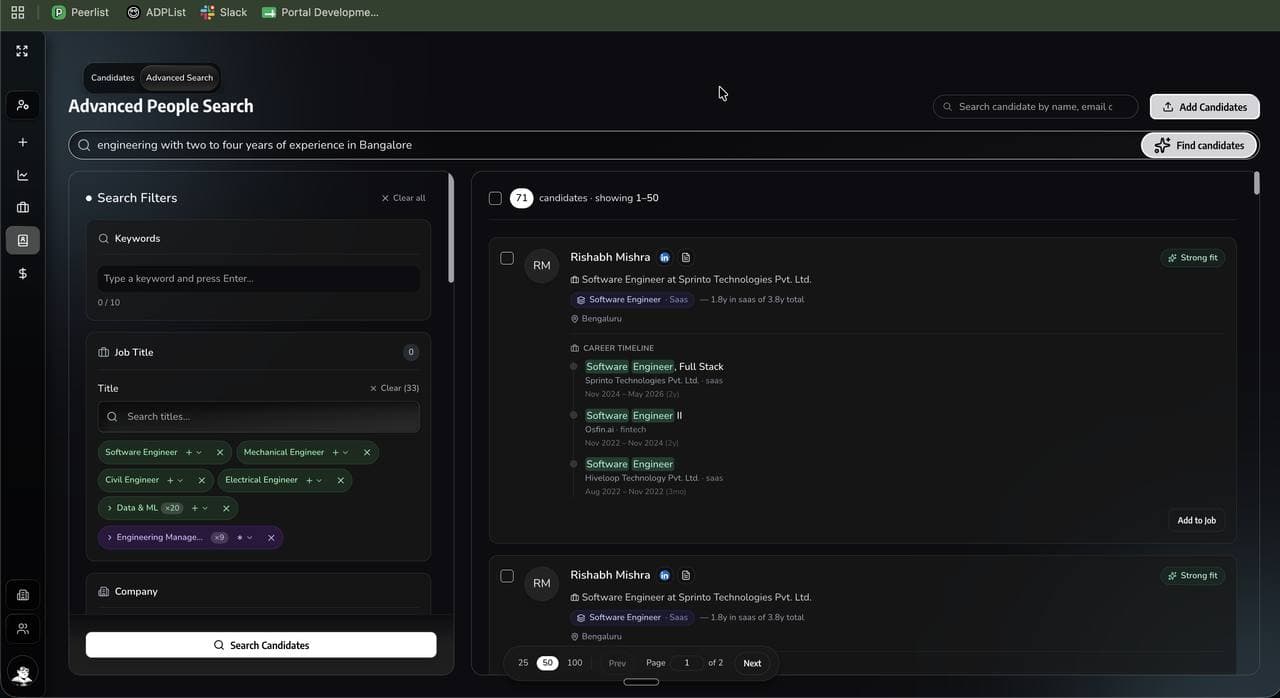
Sortinghat vs Crelate: The 2026 Comparison for Search and Recruiting Firms
Crelate rewards recruiters who can build a Boolean string. Sortinghat removes the requirement and then screens the results.
Read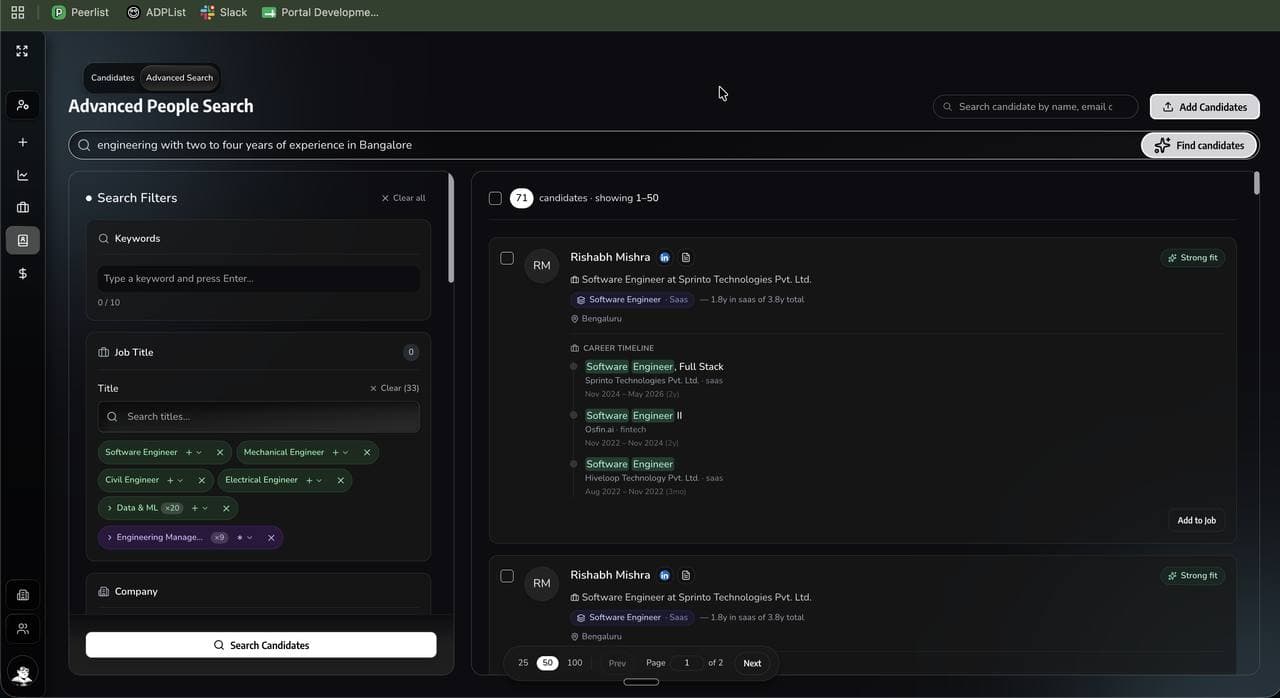
Sortinghat vs JobDiva: The 2026 Comparison for Large US Staffing Operations
JobDiva was built for large US contract staffing before AI existed. The scale is real. So is the amount of manual work it still requires.
Read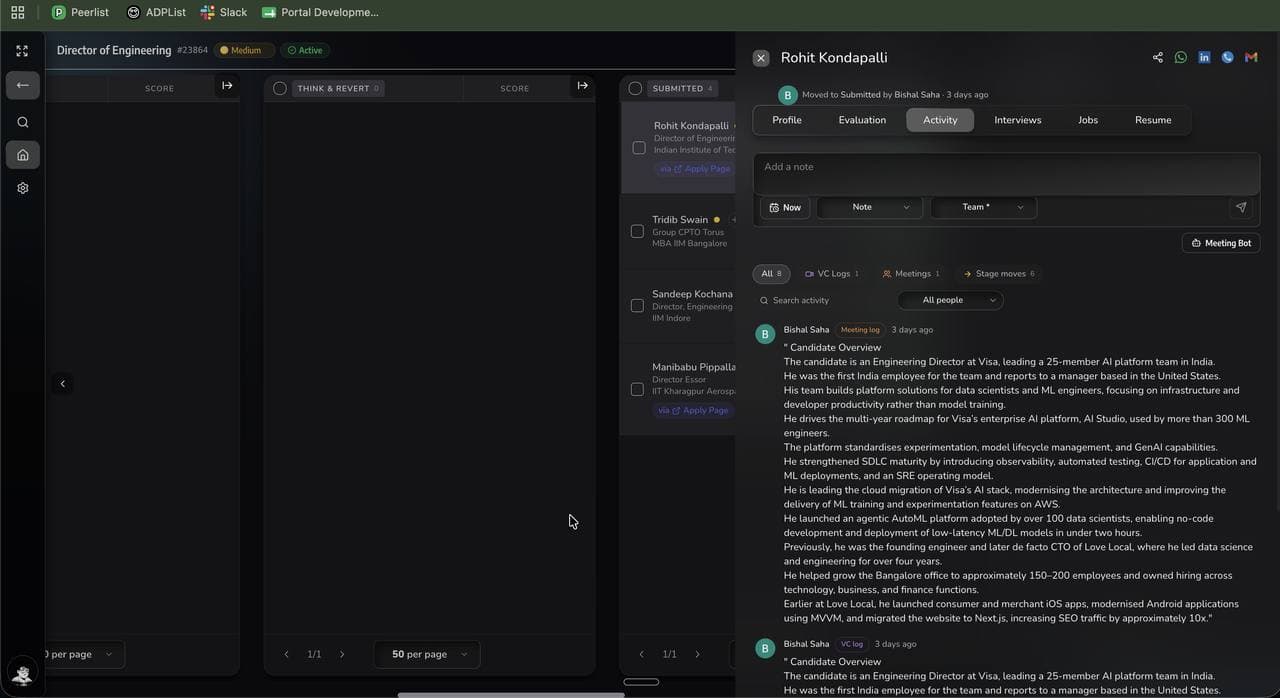
Sortinghat vs Recruit CRM: The 2026 Comparison for Growing Recruitment Agencies
Recruit CRM records what your recruiters did. Sortinghat does the work instead, then records it.
Read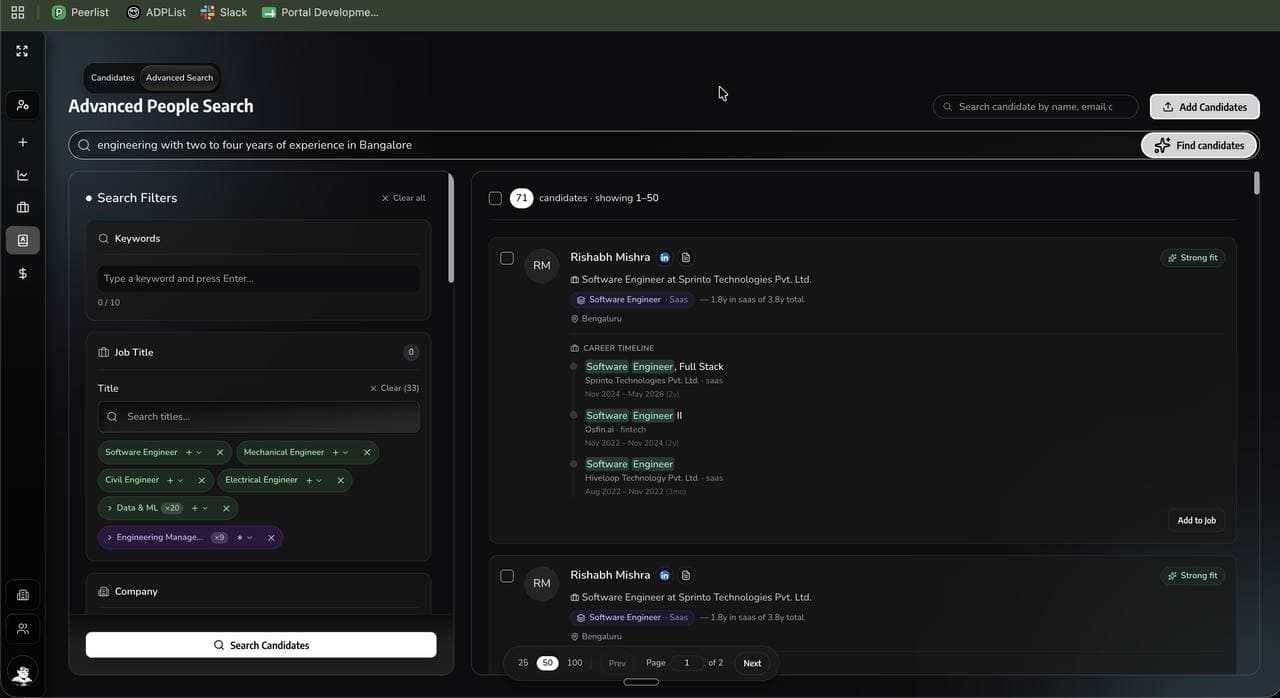
Sortinghat vs Zoho Recruit: The 2026 Comparison for Growing Recruitment Agencies
Zoho Recruit is a general recruitment product that staffing firms configure into an agency system. Sortinghat arrives built for agency work.
Read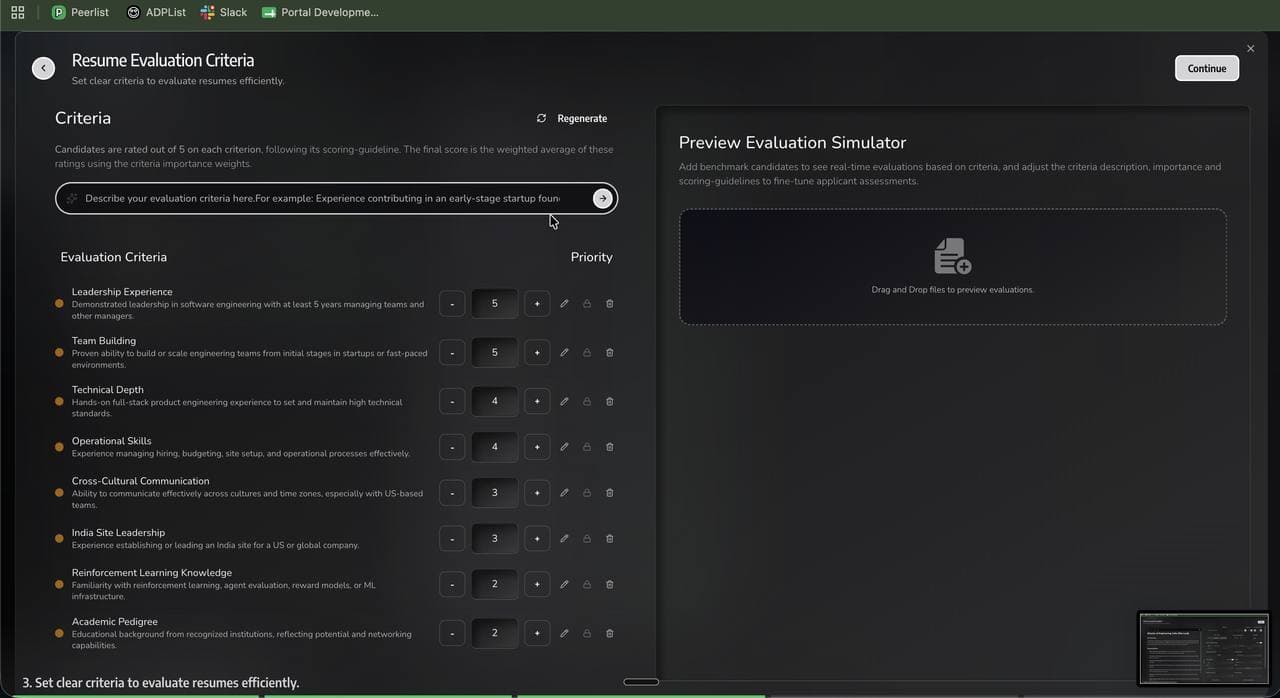
Vincere Alternatives: 7 Platforms Compared for Staffing Firms in 2026
Vincere solved the reconciliation problem. Firms look elsewhere when they realise integration alone does not raise recruiter capacity.
Read
Sortinghat vs Vincere: The 2026 Comparison for International Staffing Firms
Vincere brought the front and back office together. Sortinghat does the same and adds the AI layer that actually removes work from the desk.
Read
Loxo Alternatives: 7 Platforms Compared for Recruiting Firms in 2026
Loxo's database is rented. Everything you surface through it stays with Loxo the day you stop paying.
Read
Sortinghat vs Loxo: The 2026 Comparison for Search and Staffing Firms
Loxo sells reach into a database you do not own. Sortinghat makes the database you already paid to build actually work, then screens at volume.
Read
Recruiterflow Alternatives: 7 Platforms Compared for 2026
Recruiterflow sends messages well. Firms leave when they realise sequencing does not qualify anybody who replies to them.
Read
Sortinghat vs Recruiterflow: The 2026 Comparison for Growing Recruitment Agencies
Recruiterflow is strong at getting people contacted. Sortinghat is built for everything that happens after they reply, and it does not put the AI behind a separate plan.
Read
Ceipal Alternatives: 7 Platforms Compared for Staffing Firms in 2026
Ceipal holds the data and the recruiter does everything else. These are the seven platforms firms move to, and what each one actually changes.
Read
Sortinghat vs Ceipal: The 2026 Comparison for IT and Contract Staffing Firms
Ceipal is a complete ATS and CRM built the old way: every action manual, every field typed, every screening call made by a person. This is what changes when the platform does the work instead.
Read
Bullhorn Alternatives: 7 Platforms Compared for Staffing Firms in 2026
Bullhorn's published price covers tracking and email. Everything firms are actually comparing platforms on in 2026 sits behind a separate quote.
Read
Sortinghat vs Bullhorn: The 2026 Comparison for Enterprise Staffing Firms
Bullhorn publishes two prices and quotes the rest. The capabilities agencies compare platforms on in 2026 all sit behind a separate conversation with a sales rep.
Read
ATS Pricing in 2026: What Staffing Firms Actually Pay
Published pricing tells you where a platform starts. It rarely tells you what a working setup costs, and the gap between the two is where budgets break.
ReadMarket Updates & Data
8 articlesWhat the GCC, BPO, IT services and US staffing numbers actually say, read against what they change on a delivery desk rather than repeated as headlines.
Staffing Agency Valuation in 2026: What Firms Actually Sell For
Every staffing founder wants to know their multiple. Almost nobody publishes what actually moves it, and revenue is not the main lever.
Read
VMS and MSP Consolidation: What It Is Doing to Agency Margins
Vendor management programmes were sold to clients as efficiency. For suppliers they are a structural margin compression that most firms never model.
Read
Tier-2 City Hiring in India: Where Capacity Is Actually Moving
Bengaluru is the most contested talent market in the country. The new capacity is opening where almost no agency has a presence.
Read
India's AI Talent Market: Sharp Demand Growth Against a Large Skills Deficit
Demand for AI roles in India has grown faster than the supply of people who can do them, and the gap is widest exactly where the budgets are.
Read
The US Staffing Market in 2026: What Indian Firms Serving US Clients Need to Know
Most Indian staffing firms selling into the US are reading American headlines and drawing the wrong conclusion about their own pipeline.
Read
Why Mid-Tier IT Services Firms Are Outgrowing the Top Tier
The growth in Indian IT services is not where most staffing firms are selling. Mid-tier firms are outpacing the giants, and they buy differently.
Read
Is BPO Dying? What AI Actually Does to Process Outsourcing
The obituary is premature and the complacency is worse. Transactional BPO is compressing hard while process work inside GCCs grows.
Read
India's 2,117 GCCs: What the 2026 Landscape Means for Staffing Firms
India now hosts more global capability centres than any other country, employing 2.36 million people. Almost nobody is translating that into what it means for the firms doing the hiring.
ReadAI Impact by Segment
17 articlesWhere automation genuinely changes a desk and where it does not, taken one segment at a time: sourcing, outbound, RPO, temp, back office and the contingency model.
AI and the Contingency Model: Does the Bet Still Work?
Contingency is a wager on being first. When every agency can be fast, the wager changes but it does not disappear.
Read
A 90-Day AI Adoption Plan for a Staffing Firm
Buying the software is the easy part and everyone knows it. Almost nobody writes down what the first ninety days should actually look like.
Read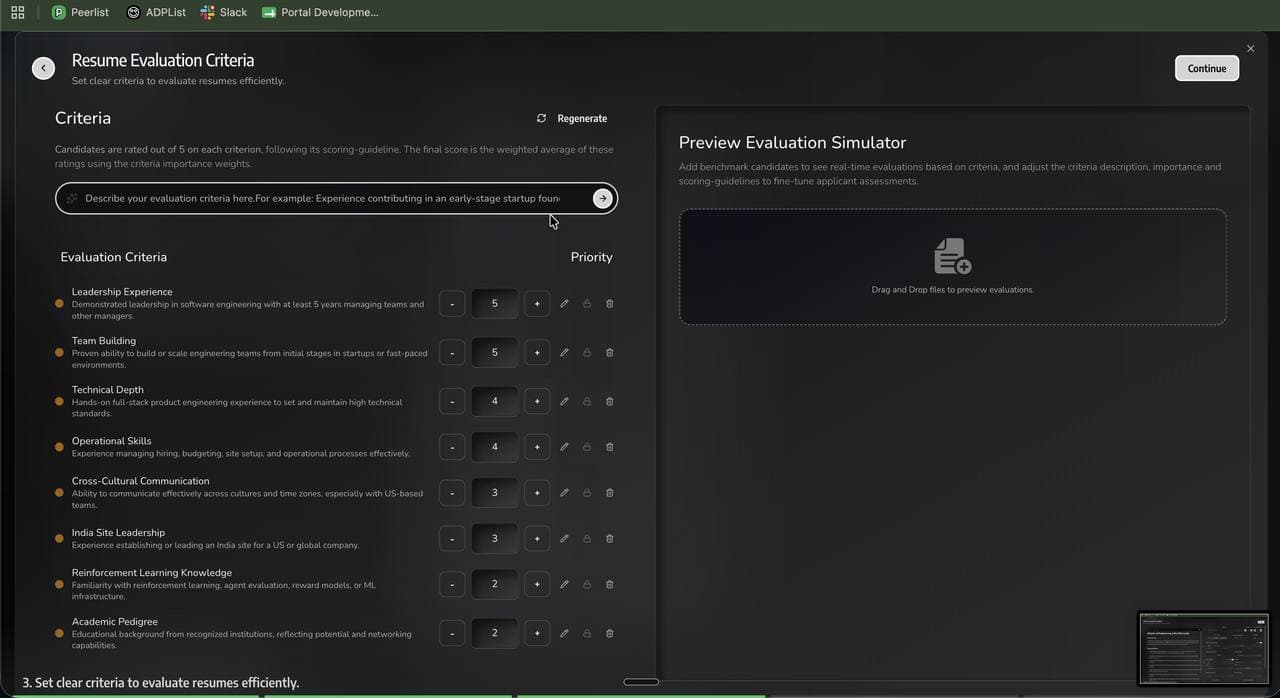
Twelve Things AI Still Cannot Do in Recruitment
A vendor listing what its product does not do is unusual. It is also the fastest way to work out whether the rest is true.
Read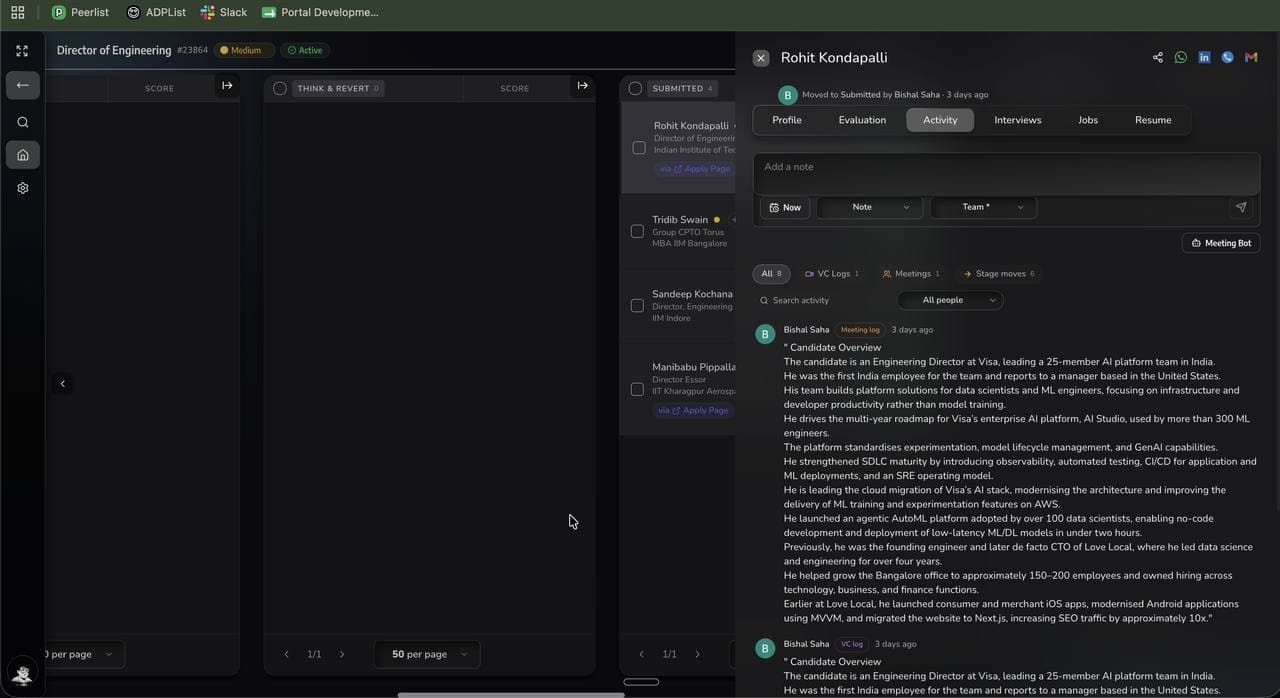
The Candidate Experience Cost of AI Screening, Measured Honestly
The people most likely to abandon an automated screen are the people with the most options, which is exactly who you were trying to reach.
Read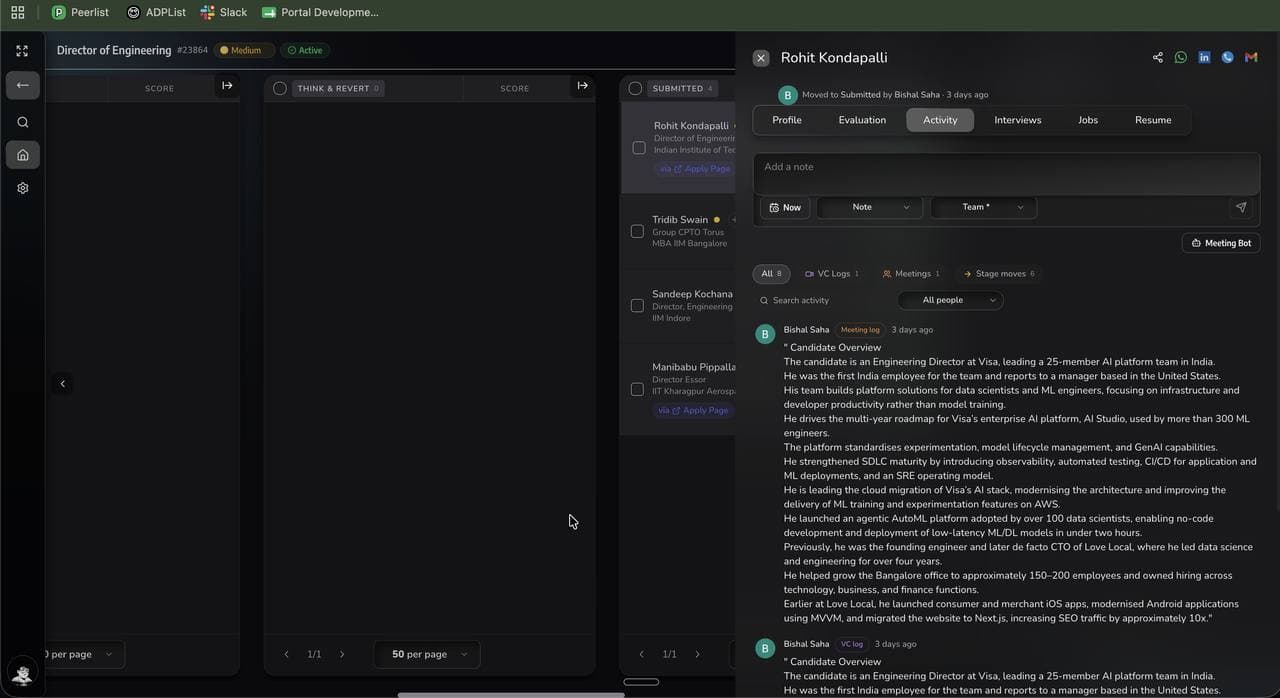
Agentic AI Versus Automation Rules in Recruitment: What Actually Differs
Three different technologies are being sold under one word, and the difference decides whether the tool does work or just moves it.
Read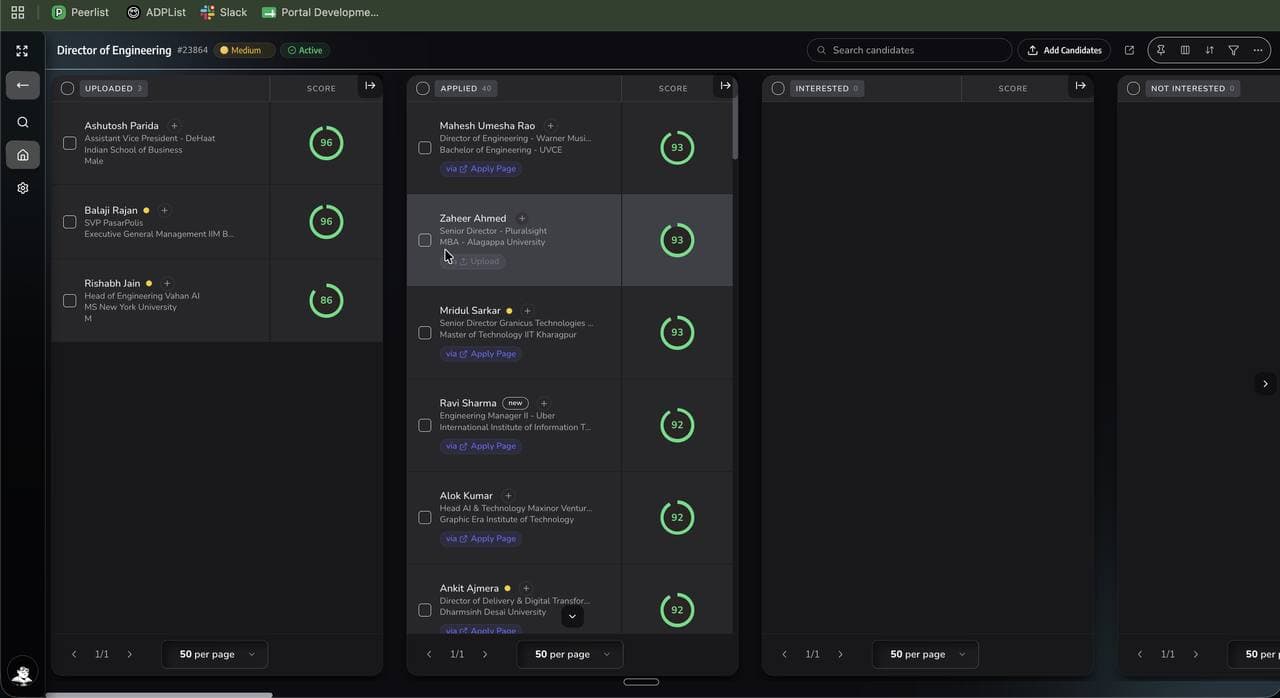
AI in Staffing Back Office: Timesheets, Invoicing and Collections
Everyone writes about the front office. The margin usually leaks at the other end, where nobody is looking.
Read
AI in Temp and Light Industrial Staffing: What Actually Helps
High-volume hourly hiring has different failure points from professional recruitment, and most AI tooling was designed for the wrong one.
Read
What Clients Actually Pay Agencies For Now That AI Does the Sourcing
The honest question every staffing founder should be able to answer in one sentence, and most cannot.
Read
What Staffing Looks Like in 2030
Most predictions about this industry are either extinction or business as usual. The interesting answer is that the work survives and the pricing does not.
Read
Why IT Services Firms Are Shifting to Outcome-Based Models, and What It Does to Hiring
When a client stops paying for hours and starts paying for results, the vendor stops needing bodies and starts needing capability.
Read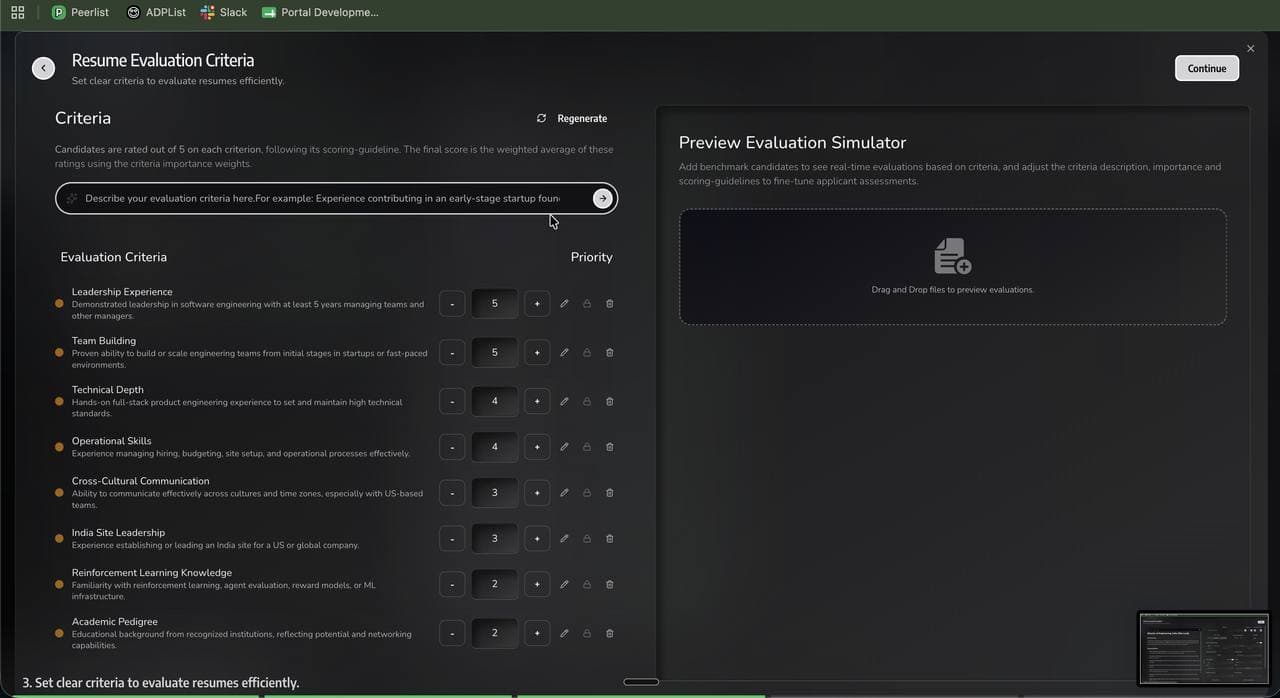
Why GCC Hiring Is a Different Sport, and What AI Changes About It
Volume and specificity at the same time is the combination most recruiting processes handle badly. GCC mandates are built entirely from it.
Read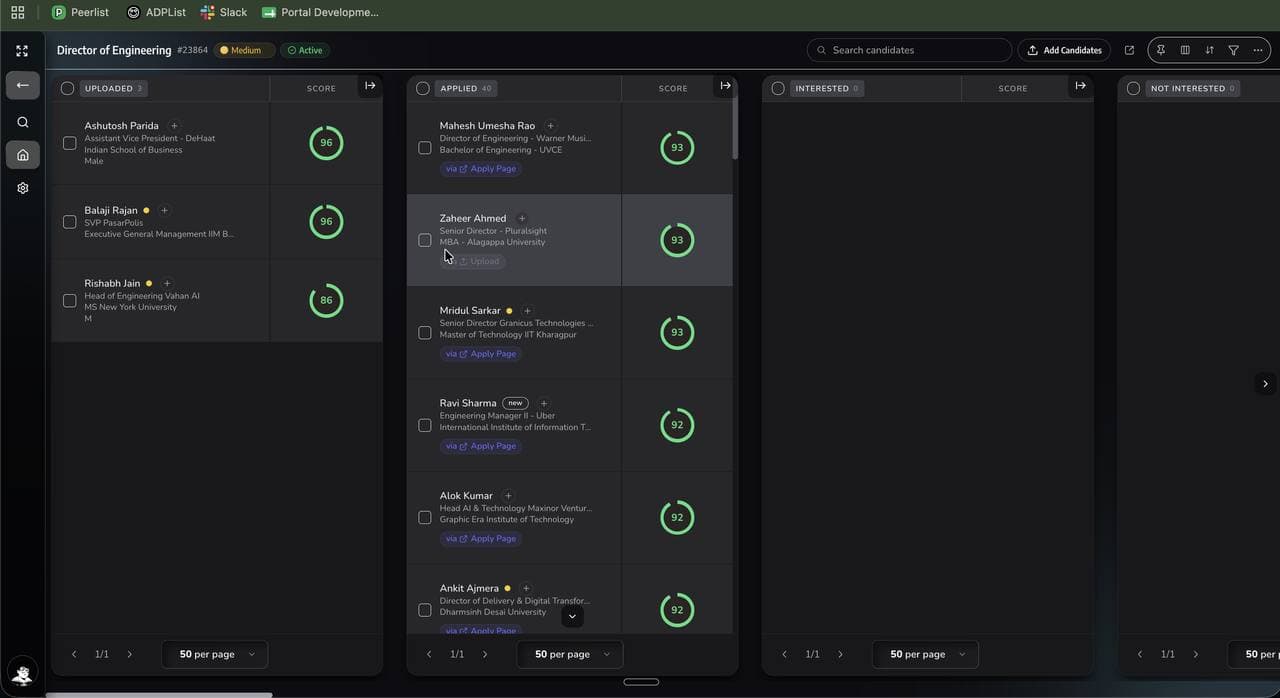
AI in RPO Delivery: What Changes When You Are Embedded in the Client
An RPO cannot grow revenue by adding headcount without destroying its own margin. That single constraint makes automation a commercial requirement rather than a preference.
Read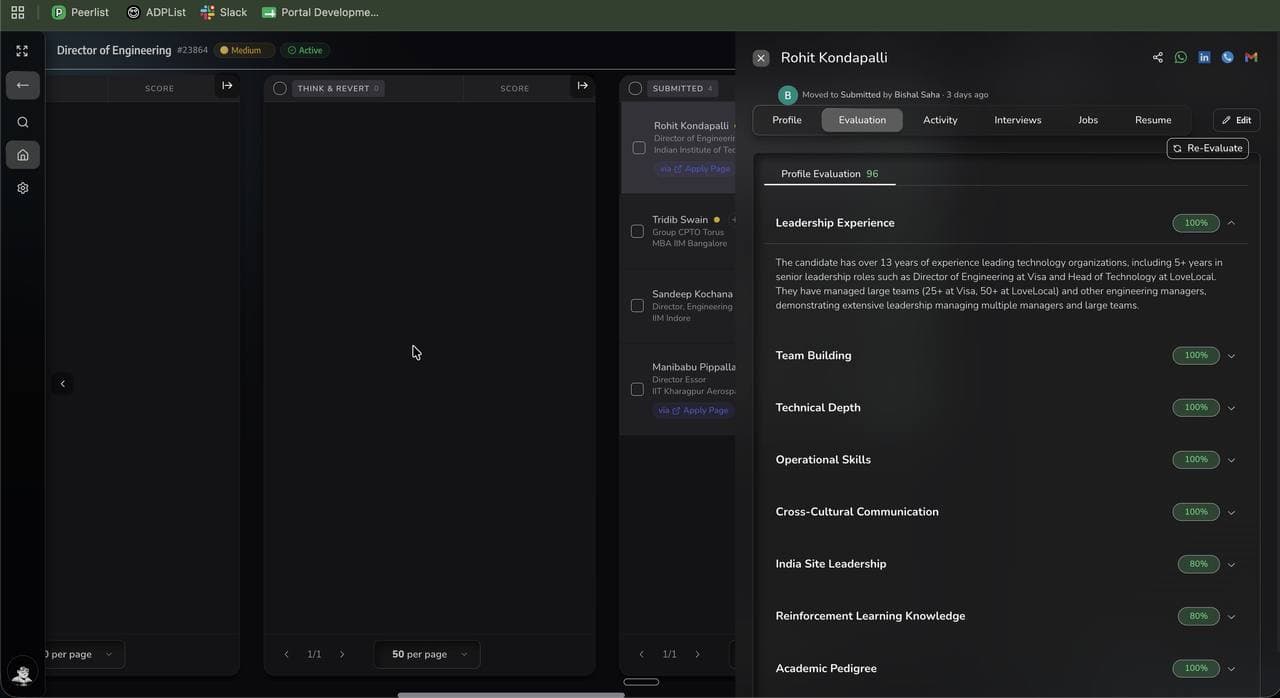
How to Hire Recruiters Now That AI Does the Sourcing
Most staffing firms are still hiring recruiters against a job description written for a job that no longer exists.
Read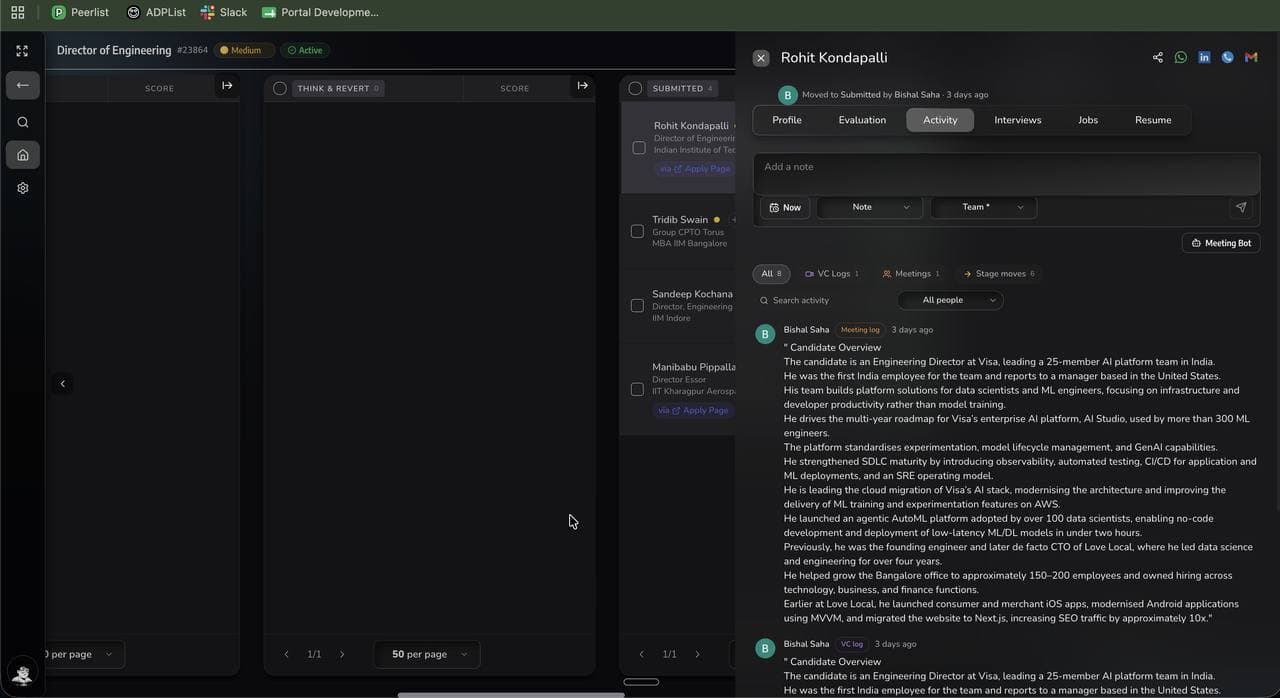
AI and Client Retention: What Actually Keeps a Staffing Account
Everyone writes about AI in delivery. Almost nobody writes about AI in keeping the client, which is where the money actually sits.
Read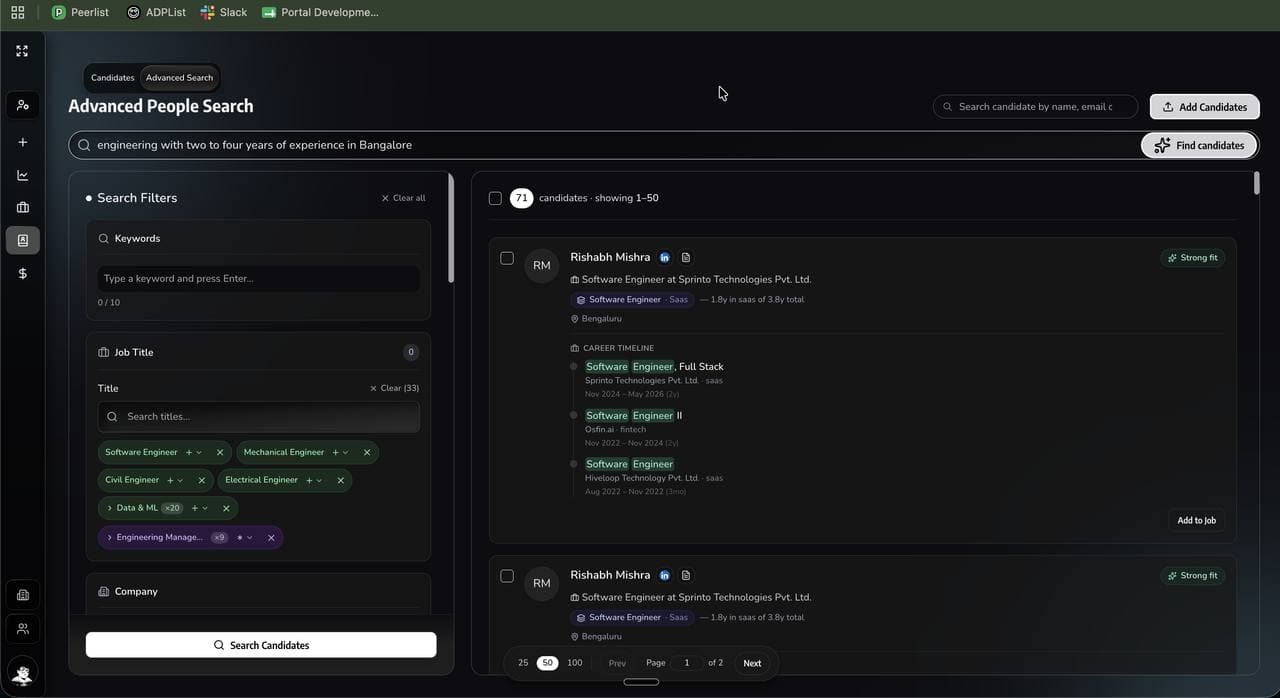
What AI Actually Changed About Outbound Recruiting
Personalisation at scale became free, which means it stopped working. What still gets replies is the part AI cannot generate.
Read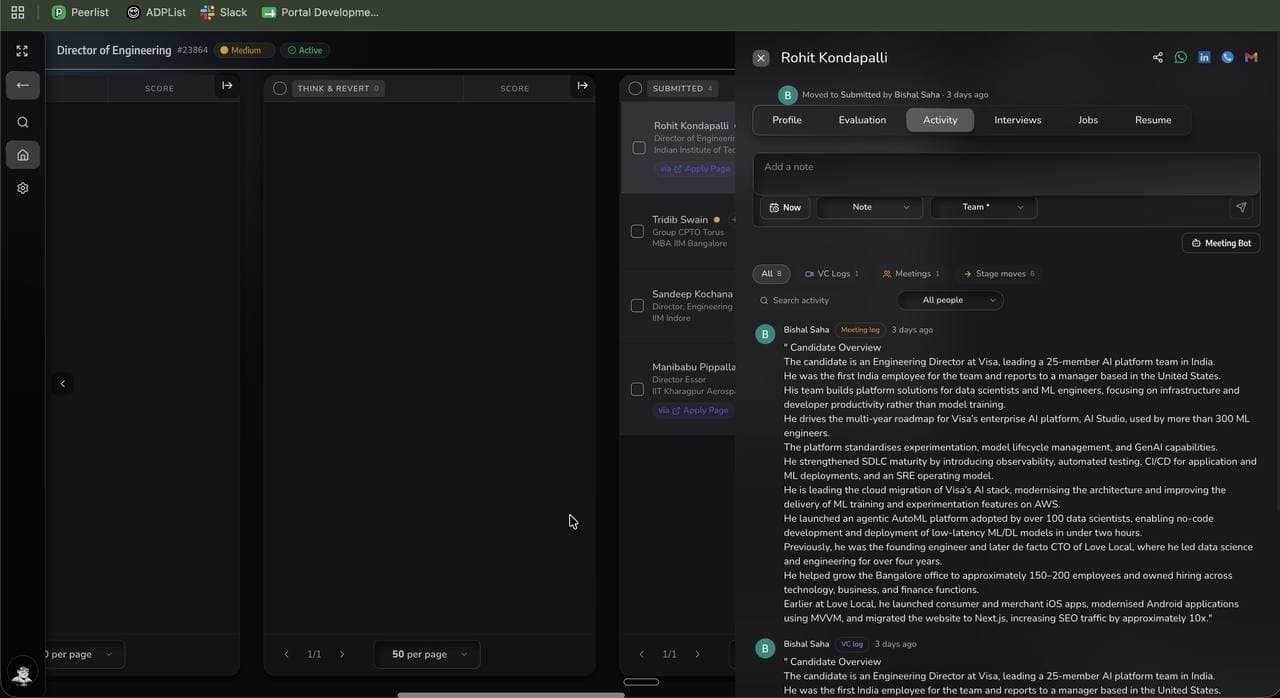
AI Made the Inbound Applicant Problem Worse, Not Better
Every vendor sells AI as the answer to applicant volume. Candidates got the same tools first, and they used them harder.
Read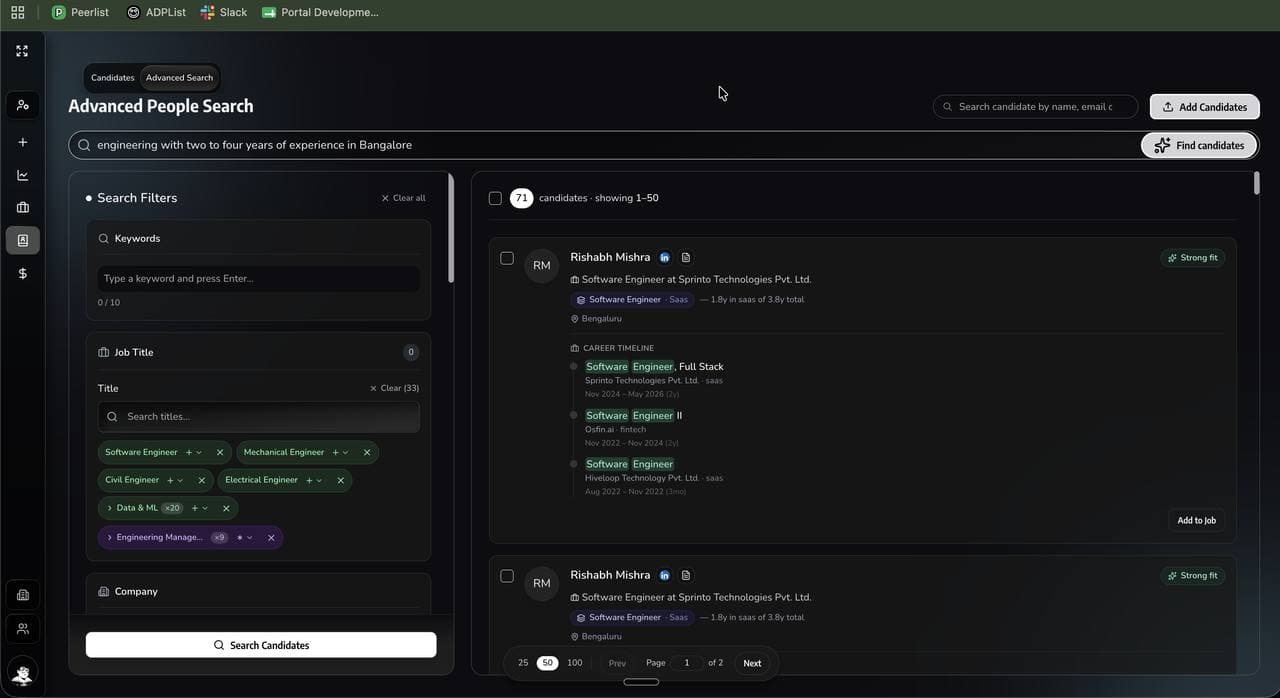
How AI Changed Sourcing: From Three Qualified Candidates a Day to Thirty
Sourcing was never limited by how fast recruiters could work. It was limited by how much unqualified work they had to do first.
ReadTalent Search by Segment
12 articlesHow the work actually differs by the kind of role being filled: blue collar, leadership, tech, business, healthcare, BFSI, volume ramps and the genuinely scarce.
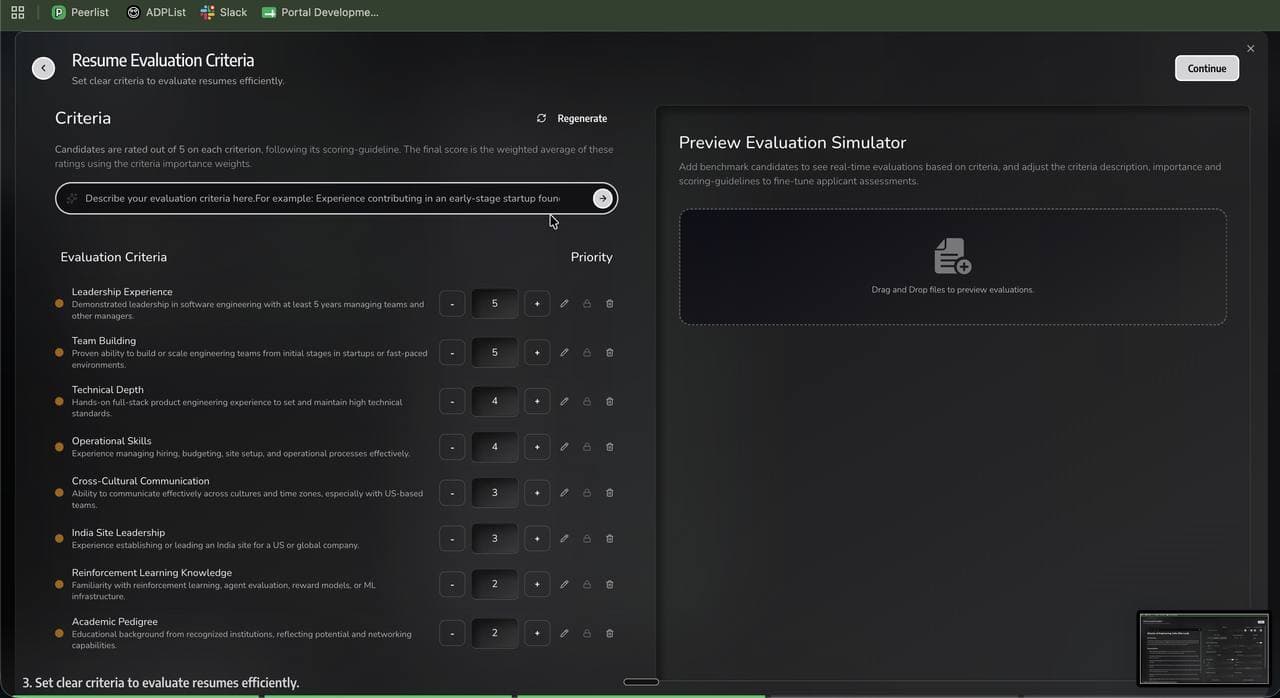
Diversity Hiring: What Works, What Is Theatre, and What Agencies Can Change
Most diversity effort is concentrated at the shortlist, which is the stage where the least leverage exists.
Read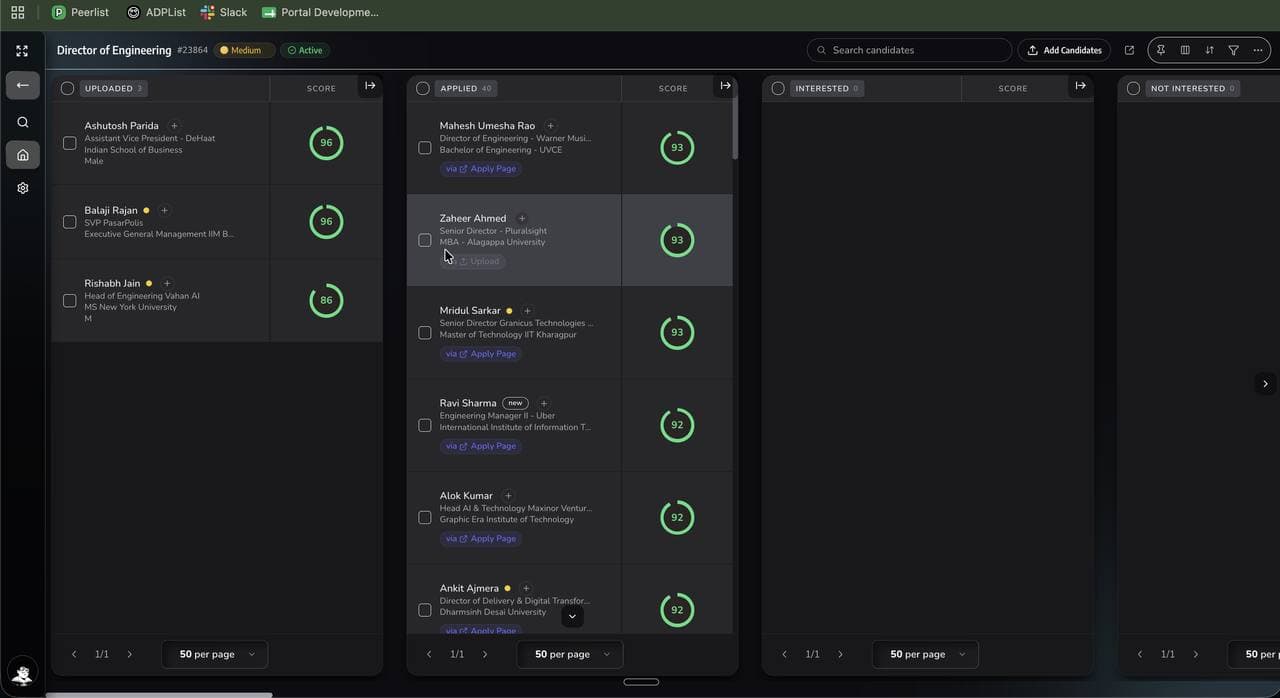
Perm Desk Versus Contract Desk: How the Two Businesses Actually Differ
Most firms run both and manage them identically, which is why one of the two is always underperforming.
Read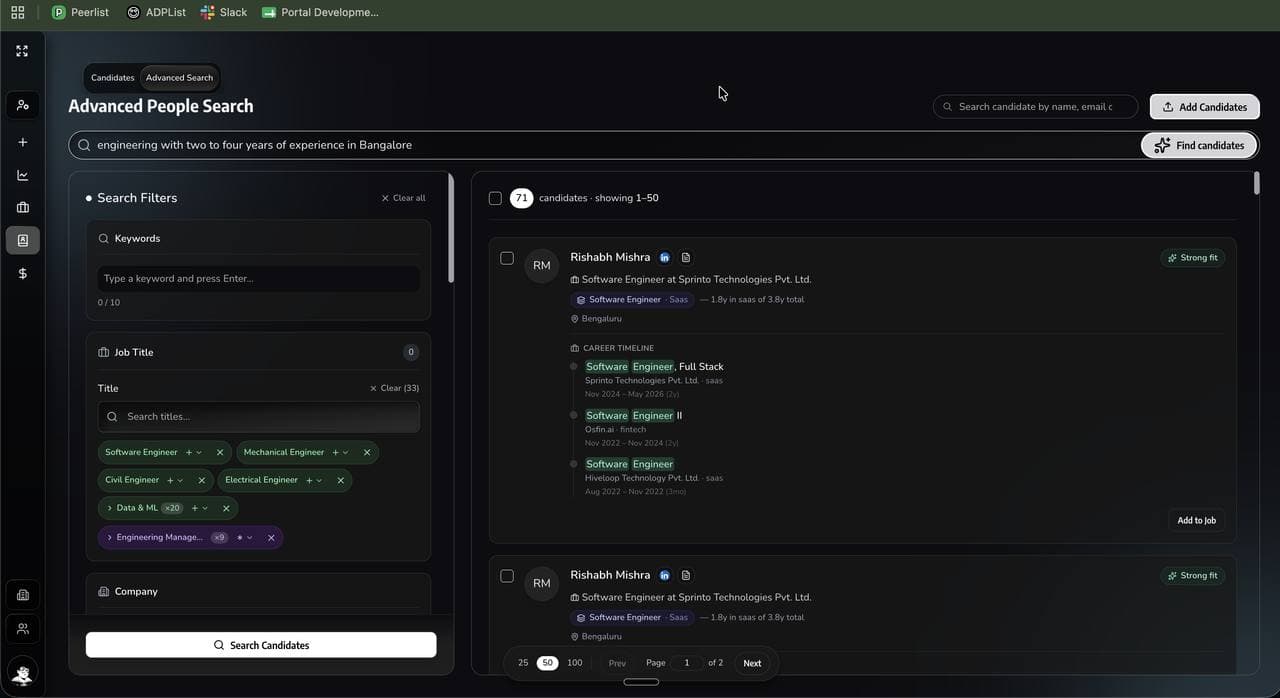
Volume Hiring: What It Takes to Staff 1,000 Seats in 30 Days
Large ramps fail on arithmetic that nobody did at the start, not on effort at the end.
Read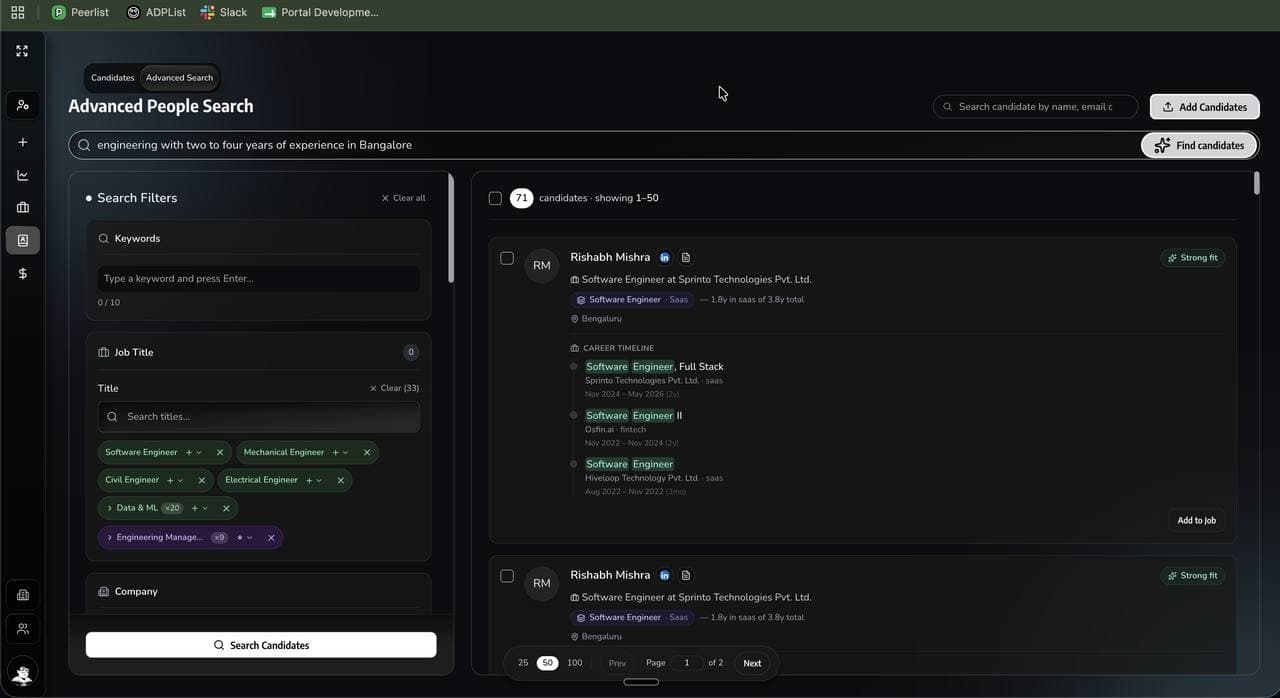
Filling Niche Engineering Roles When Forty People in the Country Can Do the Job
Scarcity is not a harder version of a normal search. It is a different job with different economics and a different failure mode.
Read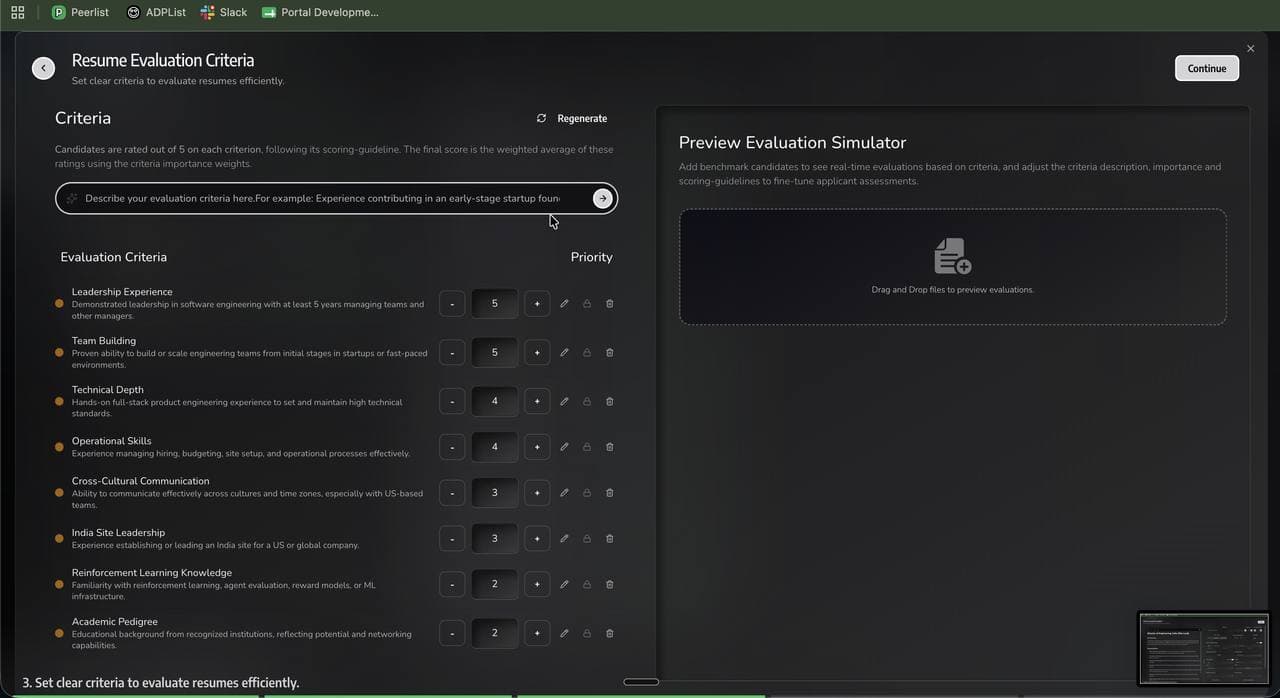
BFSI Hiring in India: What the GCC Shift Actually Changed
Banking hiring did not slow down. It moved, and a lot of agencies are still selling into the part that moved away.
Read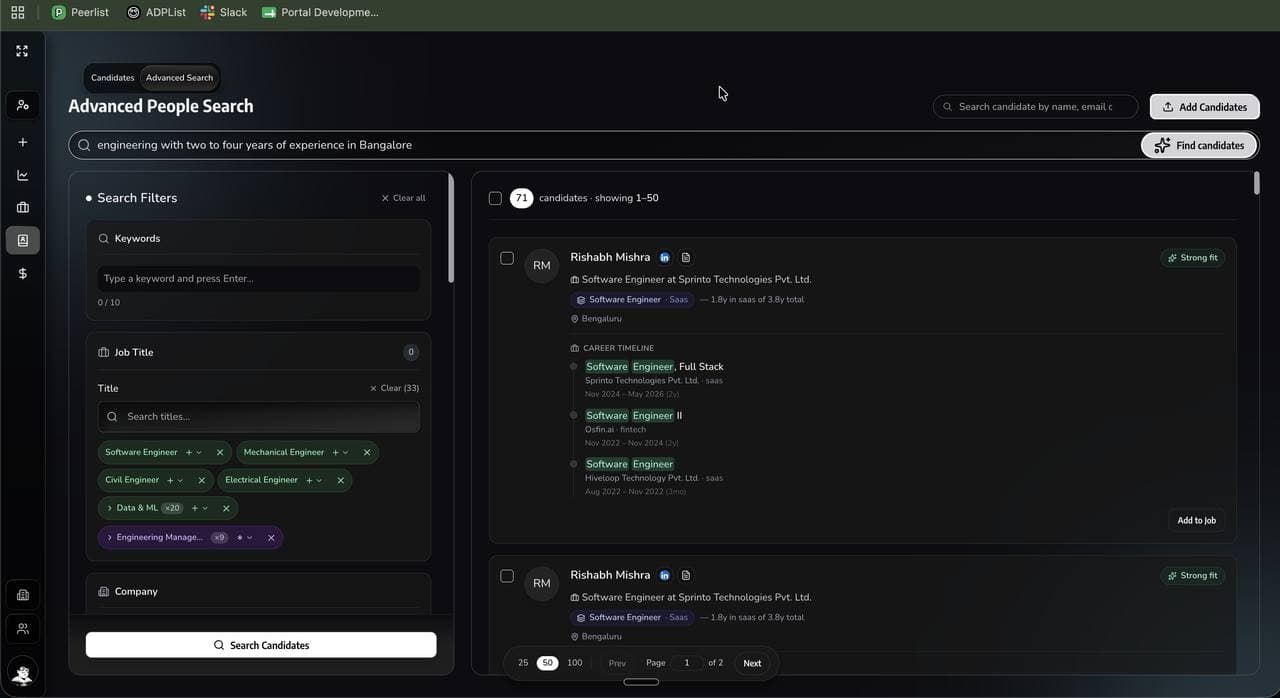
Healthcare Staffing: What Makes It Structurally Different
Credentialing is not paperwork on top of recruitment. It is the operation, and everything else is arranged around it.
Read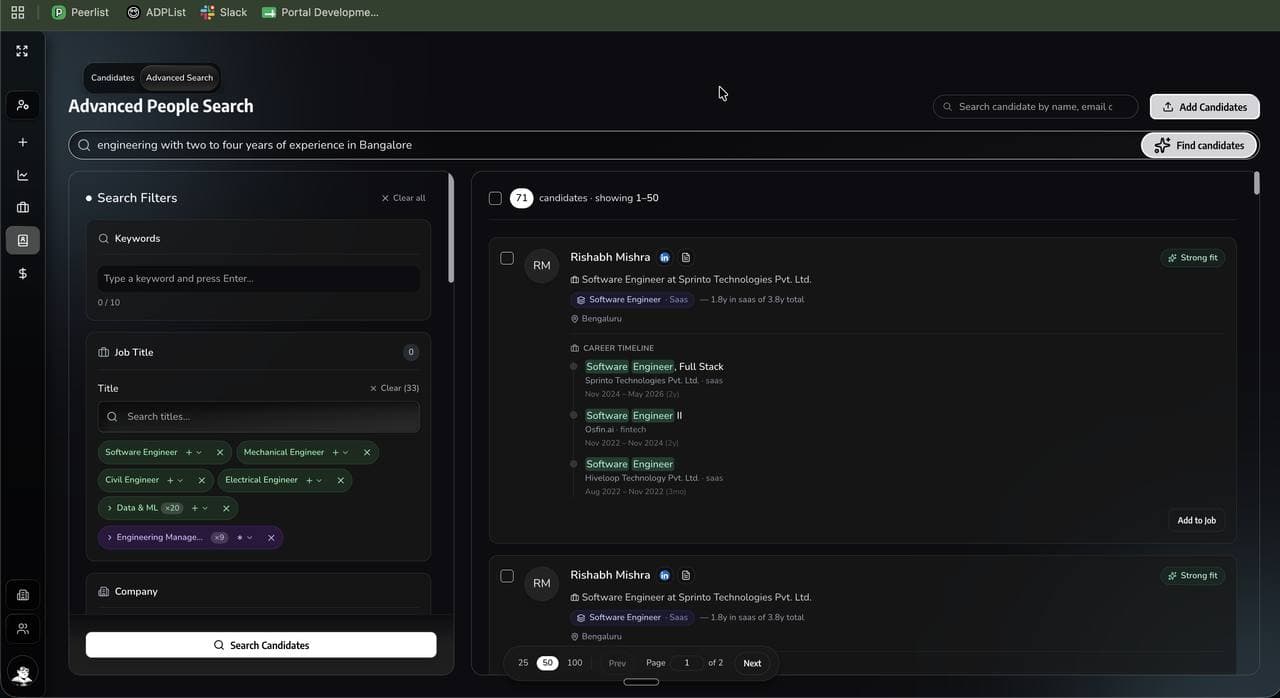
Tech Hiring in 2026: What Actually Changed
Technical recruiting has been through three years of noise. Three things genuinely changed and most of the rest was cyclical.
Read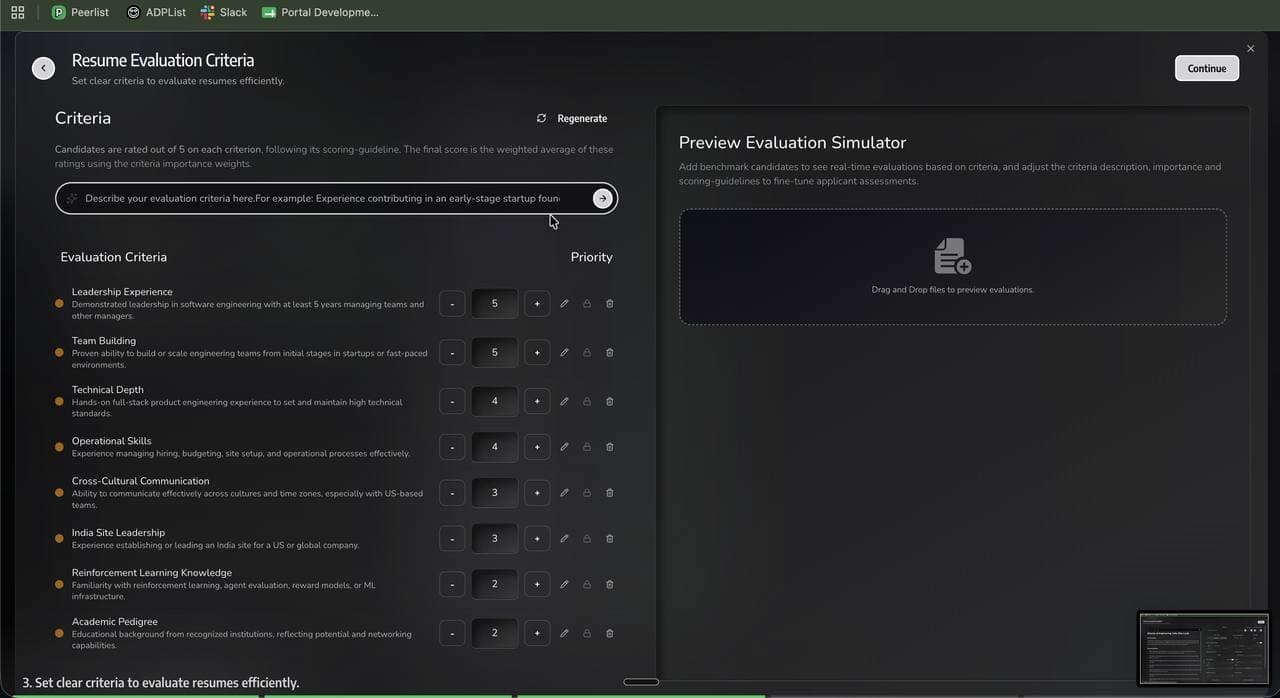
Hiring for Business Roles: Sales, Marketing and Finance
Half the market, a fraction of the content. Business hiring has its own signals and technical playbooks read them badly.
Read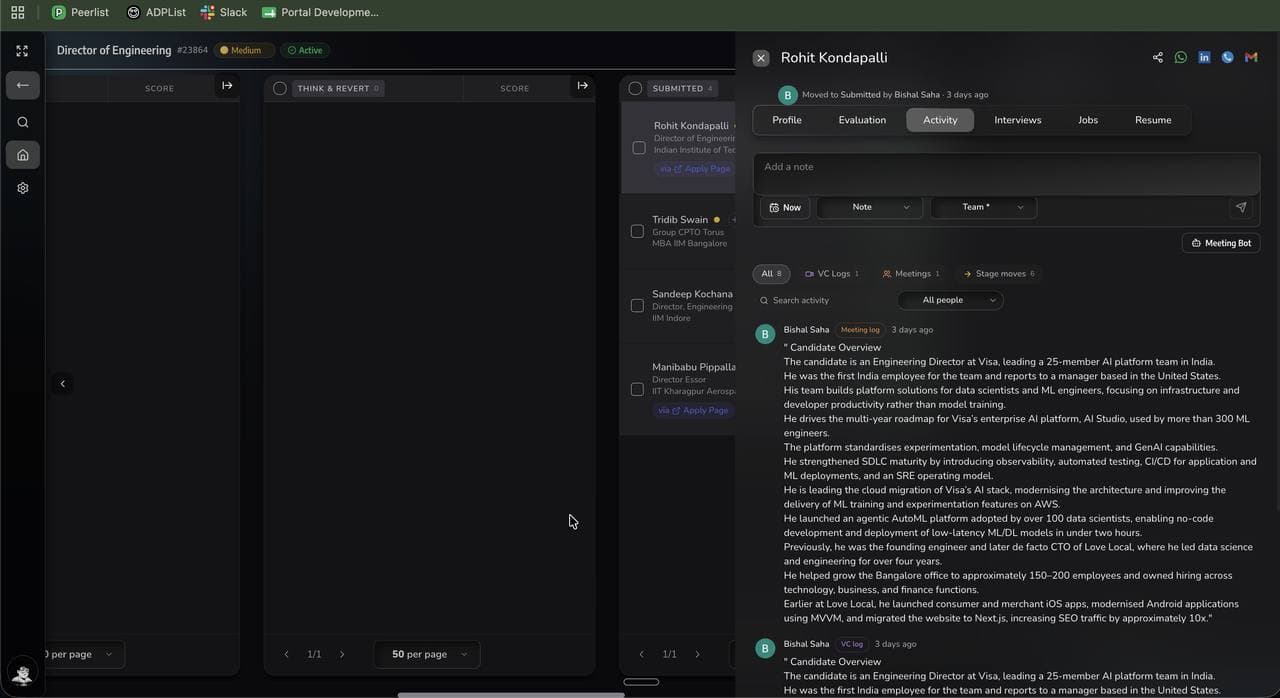
Why Retained Search Survives AI When Contingency May Not
If sourcing is the thing being automated, the model that never sold sourcing is the model that survives.
Read
CXO and Leadership Search: The Process, End to End
Executive search is not recruitment with a bigger fee. The work is different, the failure modes are different, and volume habits actively damage it.
Read
How Blue Collar Sourcing Actually Works: Channels, Verification and Drop-off
The operational detail nobody publishes, because it does not look like recruitment technology.
Read
Blue Collar Hiring in India: Why It Breaks Every ATS Built for White Collar
Almost every recruiting platform assumes a CV, an email address and a LinkedIn profile. Blue collar hiring has none of the three.
ReadContrarian / Opinion
12 articlesArguments the industry mostly avoids making out loud, each one committed to a position rather than surveying both sides and stopping.
Staffing Firms Do Not Lose Clients Over Delivery
Ask a departing client why and you get a polite answer about fit. The real reasons are more mundane and considerably more fixable.
Read
The Uncomfortable Truth About Recruiter Commission Structures
A commission plan is a strategy document that people actually read, which is more than can be said for the strategy document.
Read
The Recruiter Productivity Myth
Every metric a staffing firm uses to manage recruiters measures how busy they were, not whether it mattered.
Read
Nobody Needs Another AI Resume Screener
We could ship one this quarter. So could every competitor, which is exactly the point.
Read
Why Most Staffing Firms Will Not Survive the Next Five Years
Not because of AI specifically. Because the position most firms occupy was only ever defensible while throughput was expensive.
Read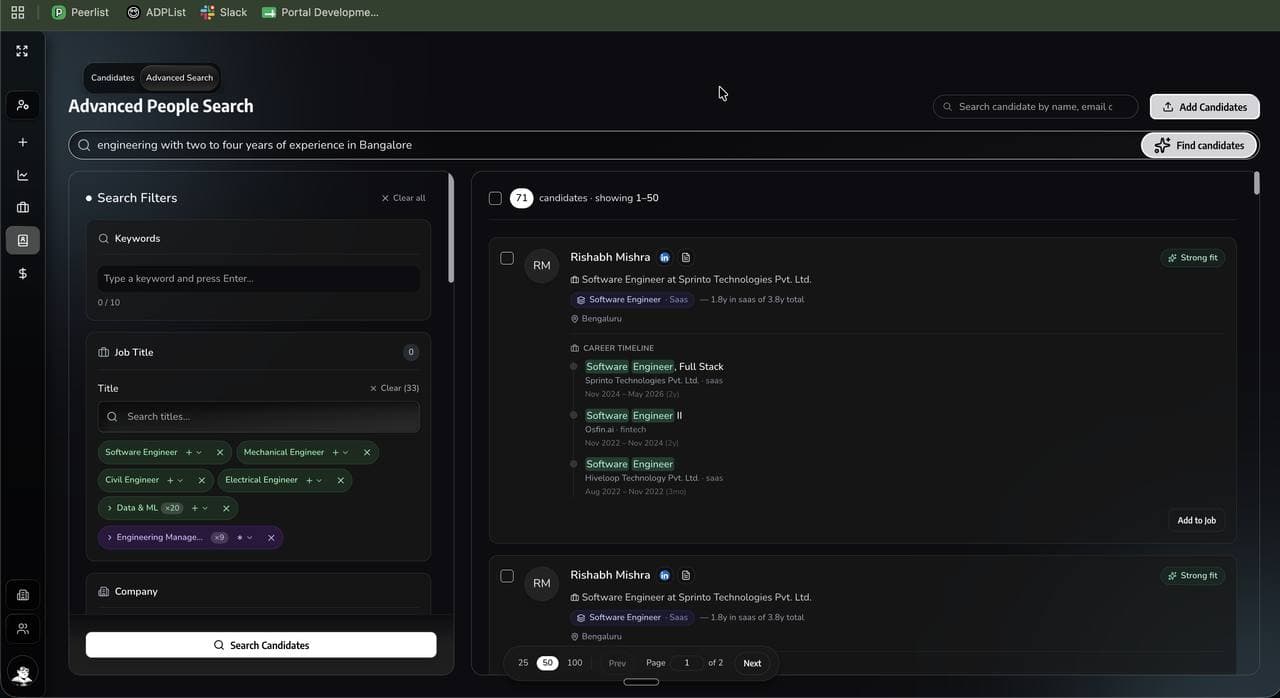
Job Boards Are Dying and the Industry Will Not Say It Out Loud
Every staffing firm complains about portal spend and renews anyway, because nobody has built the alternative.
Read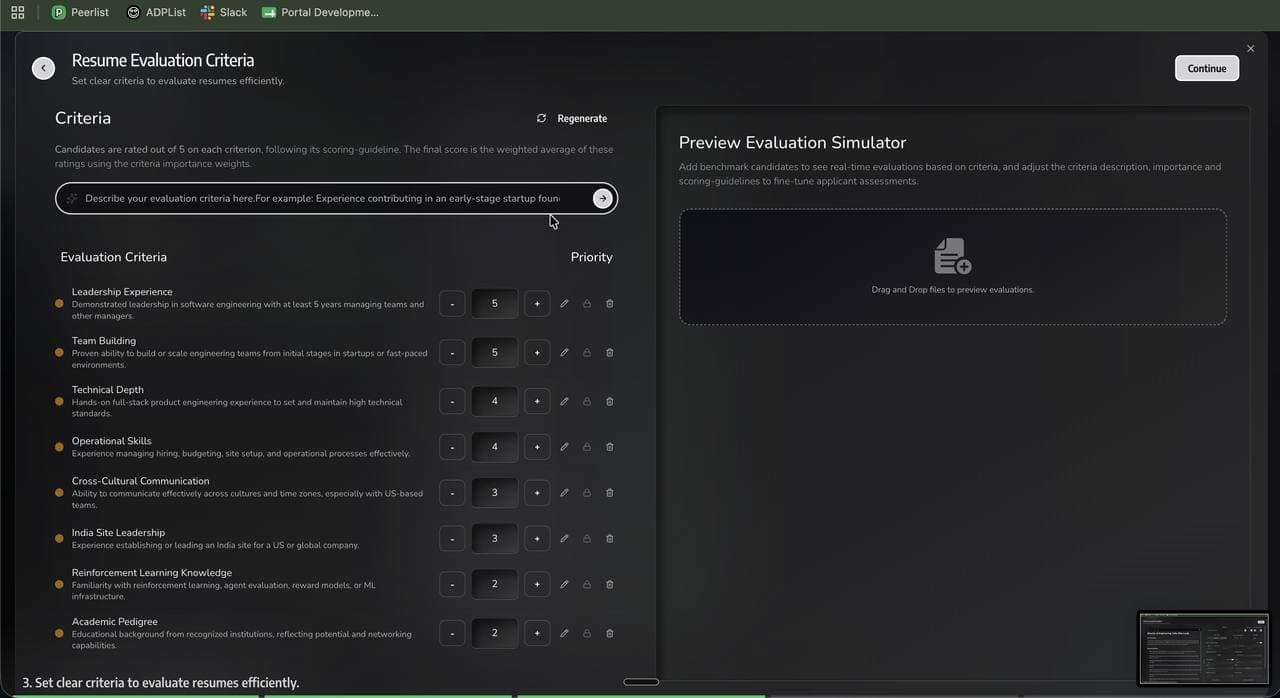
The Problem With Calling Everything AI-Powered in Recruiting Software
We describe our own product as AI-native. This page exists so you can check whether that claim means anything.
Read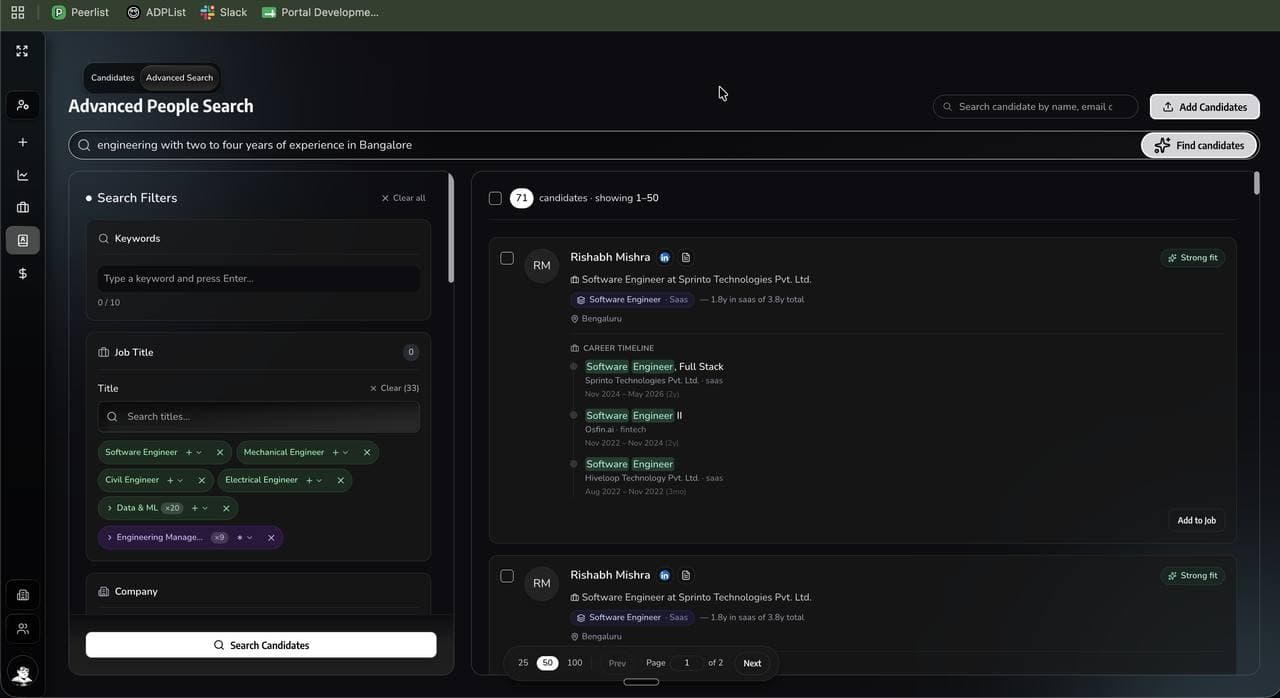
Why Your ATS Demo Lied to You, and the Eight Questions That Expose It
We give demos. Everything below applies to ours, which is why it is worth reading before you sit through another one.
Read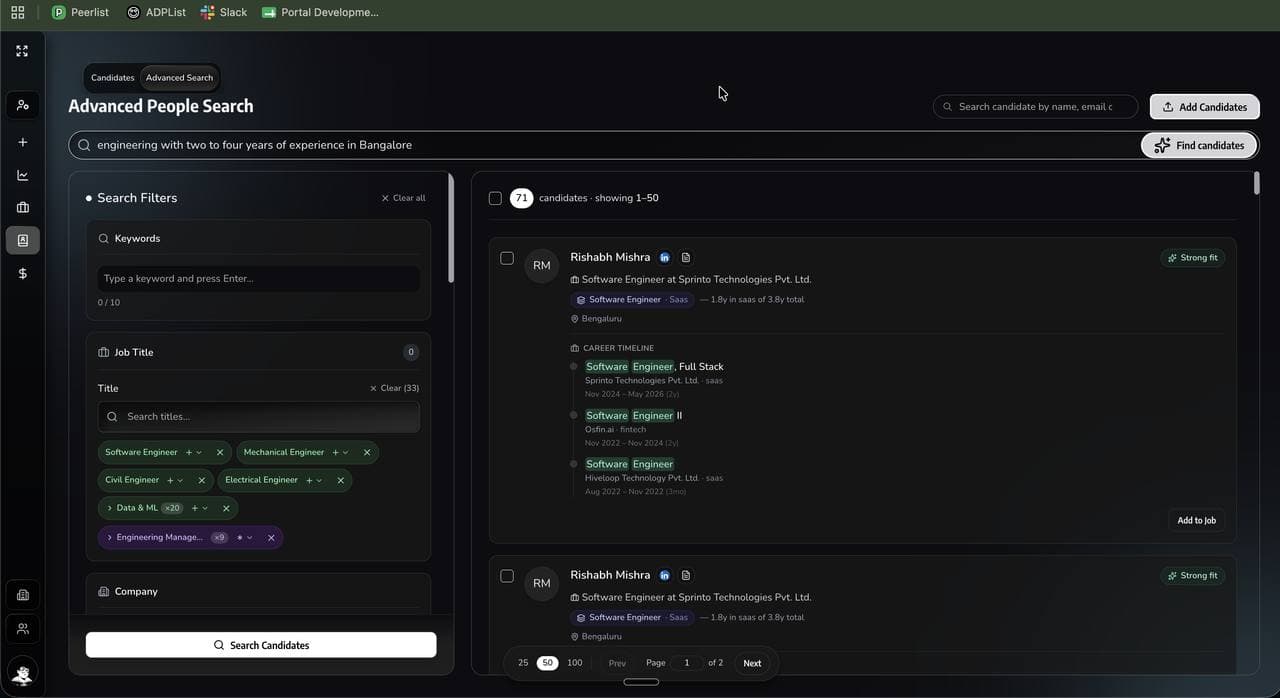
Everyone Bought AI. Almost Nobody Uses It. The Adoption Gap in Staffing
The most expensive line in most staffing firms' technology budget is the software nobody opened.
Read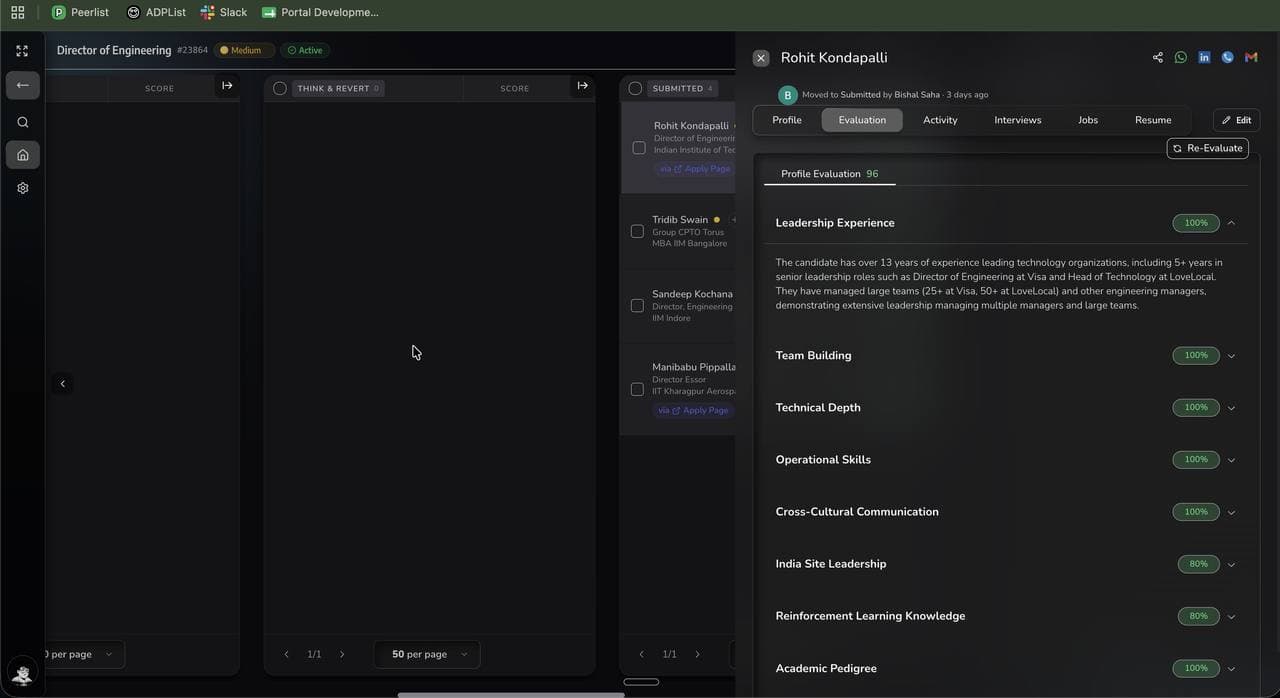
Will Talent Search Die After AI?
The function survives. The business model that most firms currently run does not, and those are different claims.
Read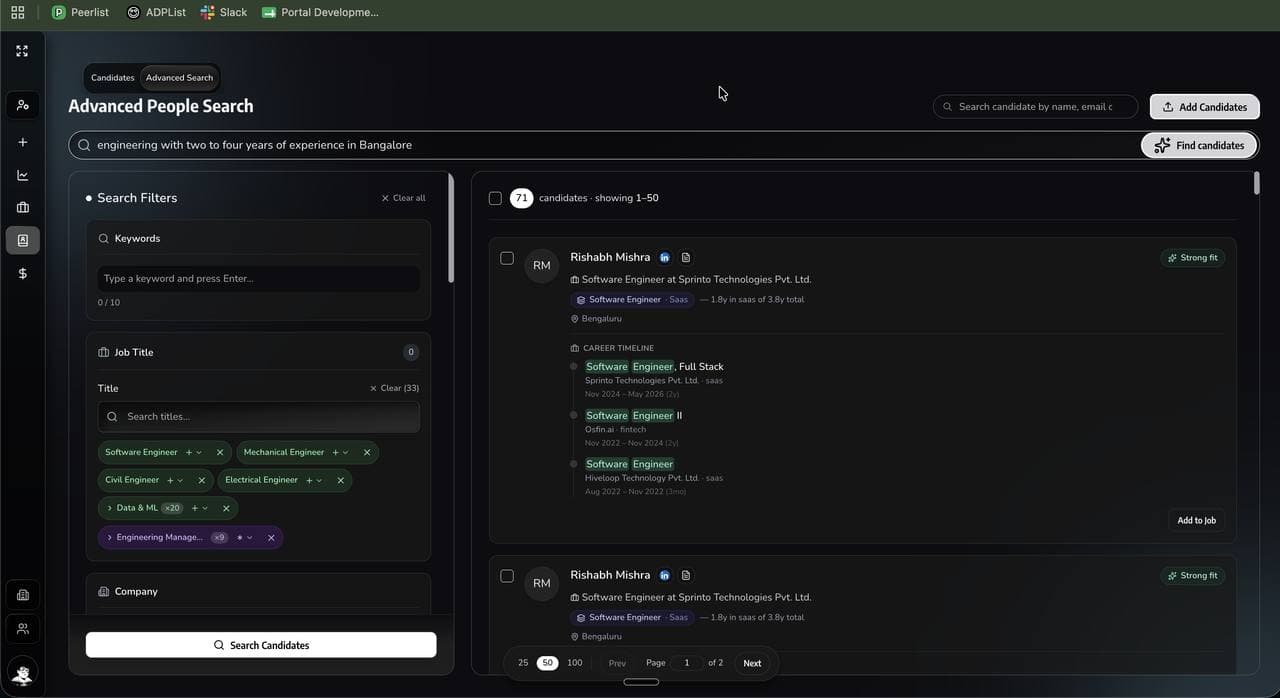
Most AI Recruiting Tools Do Nothing. Here Is What Actually Moves the Numbers
We sell one of these. That is precisely why this list is worth reading, because the incentive runs the other way.
Read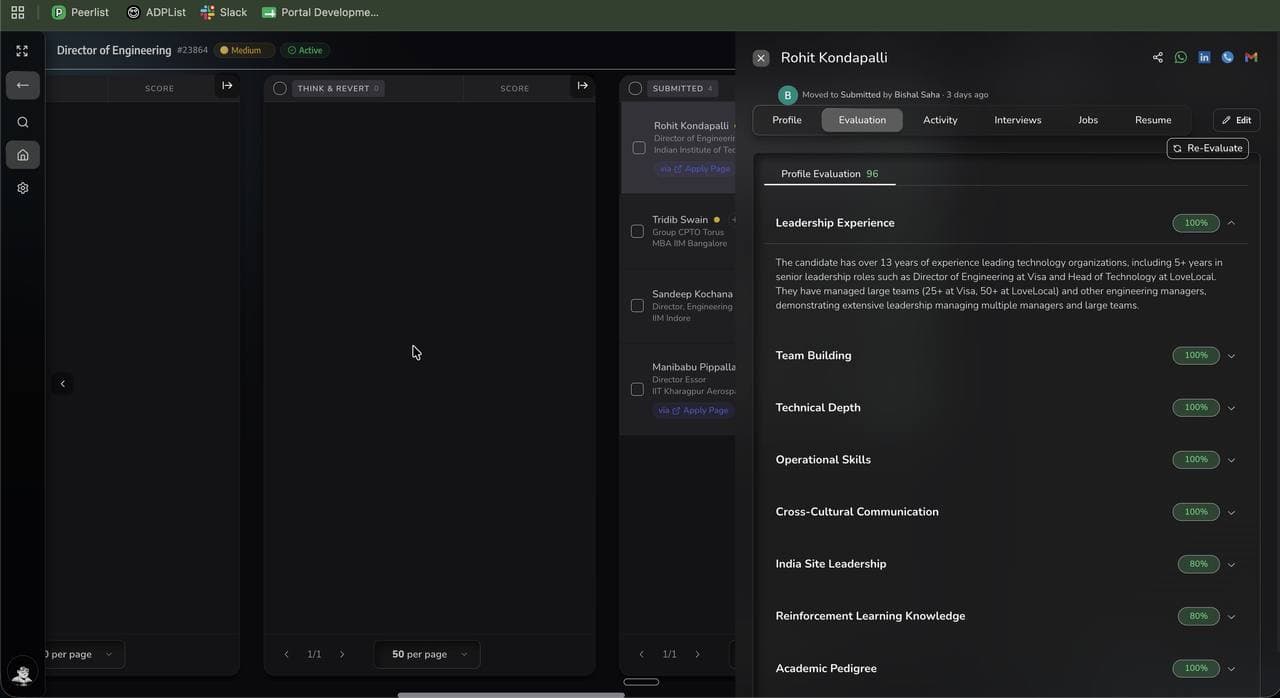
Is AI Taking HR Jobs? The Honest Answer, With the Data
Survey headlines and observed usage tell two different stories, and the gap between them is the most informative thing in the debate.
ReadBenchmarks
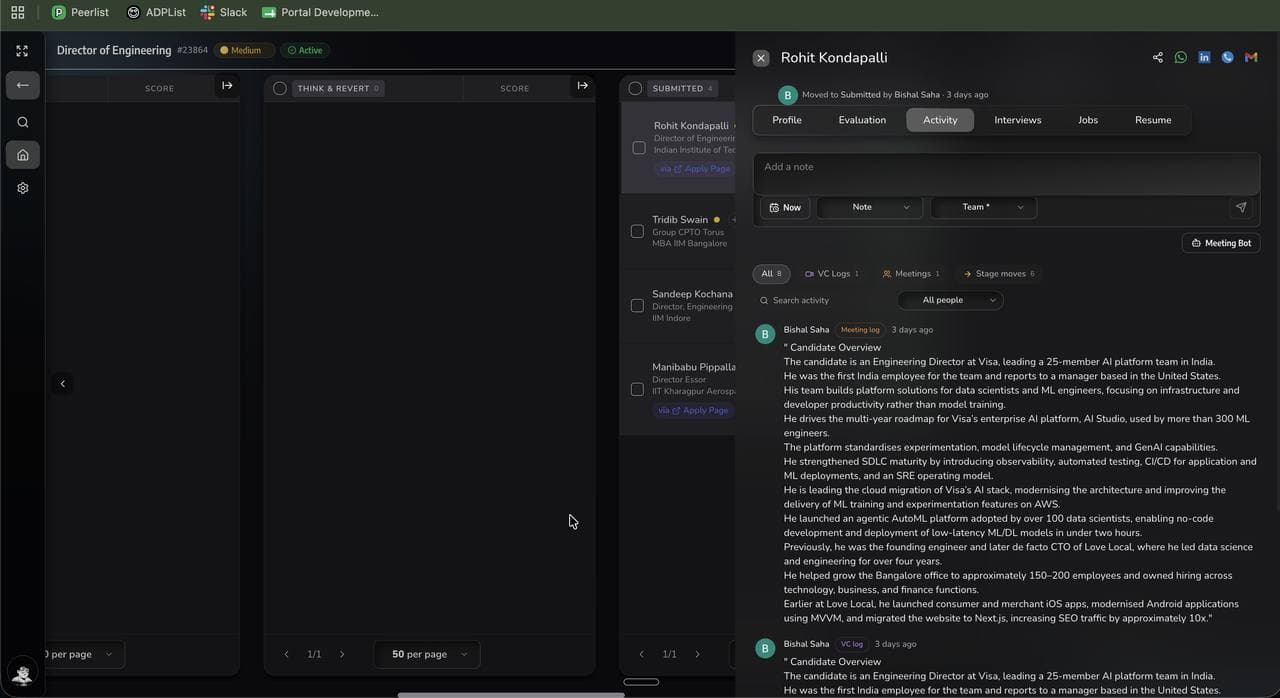
1 articleNumbers worth planning against, published with the methodology attached and without a single headline figure where the spread makes one dishonest.
Policy, Salary & Workplace
8 articlesThe rules a staffing firm operates inside: AI hiring law in the EU, the US states and India, candidate data under DPDP, contract labour, pay transparency, moonlighting and where people work.
How to Design a Recruiter Incentive Plan That Changes Behaviour
Most plans are designed to be affordable and then described as motivating. This is the version that starts from what you want people to do.
Read
Return to Office Versus Remote: What It Does to Your Candidate Pool
An office mandate is a sourcing constraint before it is a culture decision, and most clients set it without seeing the arithmetic.
Read
Moonlighting and Dual Employment: Where Staffing Firms Carry the Risk
Clients discover dual employment through statutory records months after joining, and the conversation that follows is with you rather than with the candidate.
Read
Pay Transparency Laws and What They Change for Staffing Agencies
When the range is public, the negotiation moves. Agencies that treated compensation as private information lose an advantage they never examined.
Read
US State AI Hiring Laws: What Applies Where
There is no federal rule. There are several state and city rules that contradict each other in detail, and they follow the role's location.
Read
The EU AI Act for Staffing Firms Placing Into Europe
Recruitment is named as a high-risk use case. If you place candidates into the EU, the obligations follow the candidate rather than your office.
Read
India's DPDP Act and Candidate Data: What Agencies Must Change
Every staffing firm in India holds a large database of personal data collected over years, mostly without a documented basis.
Read
Contract Labour Compliance in India: What Staffing Firms Get Wrong
The liability does not stop at your invoice. Principal employer obligations mean your client's exposure becomes your commercial problem.
ReadAgency Growth & Revenue
14 articlesGrowing the top line without adding heads: what an existing client is already willing to buy, and which services are worth attaching to a desk that already delivers.
How to Grow Staffing Revenue Without Adding Recruiters
Hiring is the default growth answer because it is the only one most firms have measured. Three of the other four levers are cheaper.
Read
Add-On Services That Actually Sell: Payroll, EOR, Verification and Training
Every agency considers adding services. Most pick the one with the best margin rather than the one that fits how they already operate.
Read
How to Cross-Sell Perm Into a Contract Account, and the Reverse
Every agency running both desks says it cross-sells. Very few actually do, and the reason is structural rather than motivational.
Read
How to Upsell Existing Staffing Clients
Most agencies work one function inside a client that has eleven. The revenue is already inside the building.
Read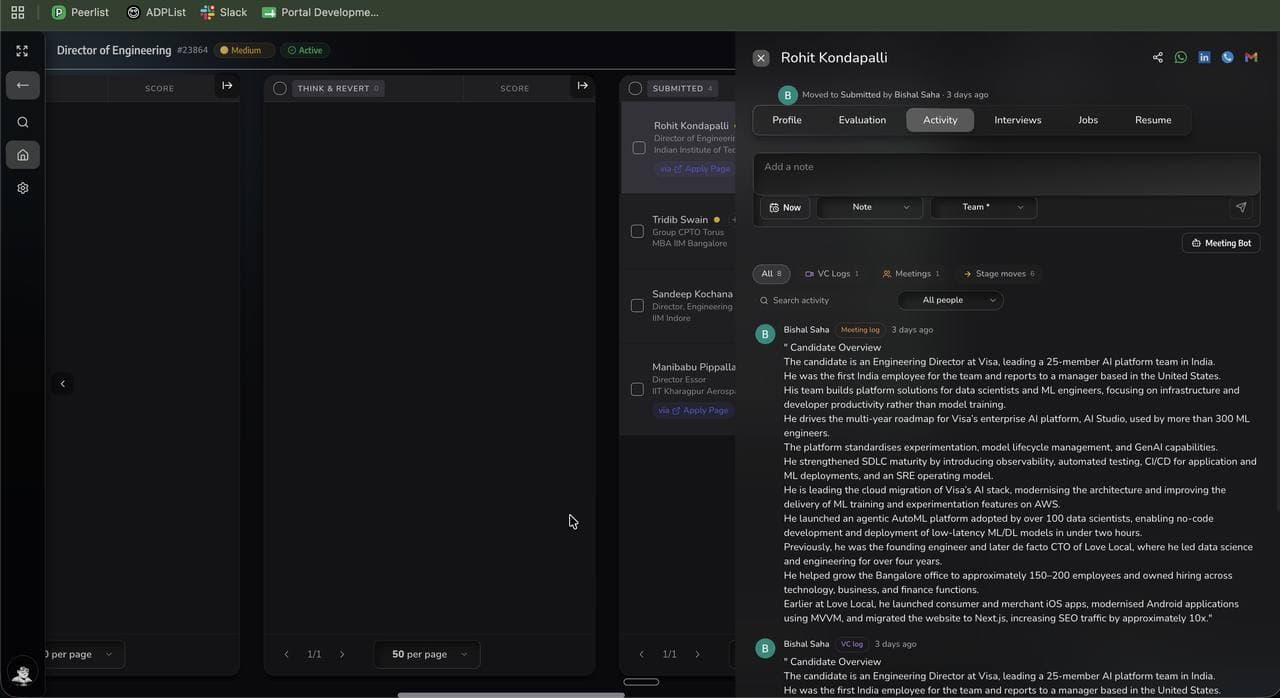
How Relationships Actually Drive Staffing Revenue, and What That Means Operationally
Relationships are the most cited and least operationalised asset in staffing. What they actually consist of is specific and buildable.
Read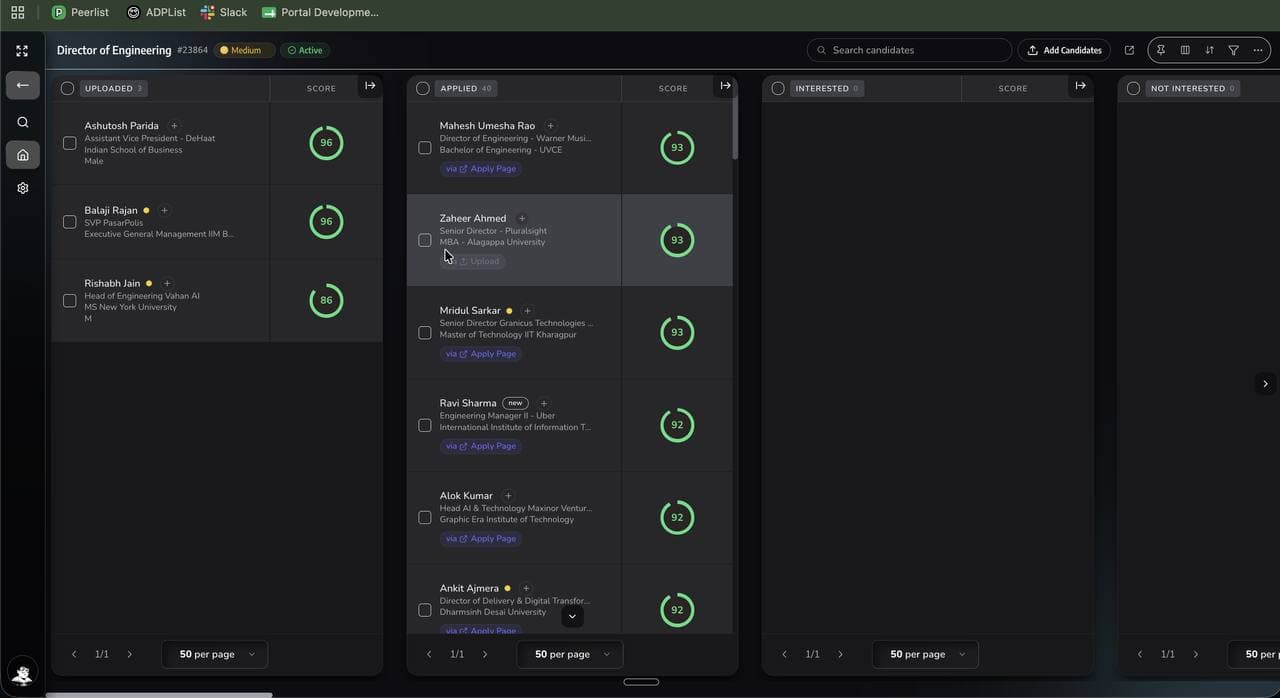
Building a Back Office That Does Not Eat Your Margin
Back office is treated as overhead until a contract desk grows, at which point it quietly becomes the constraint on everything.
Read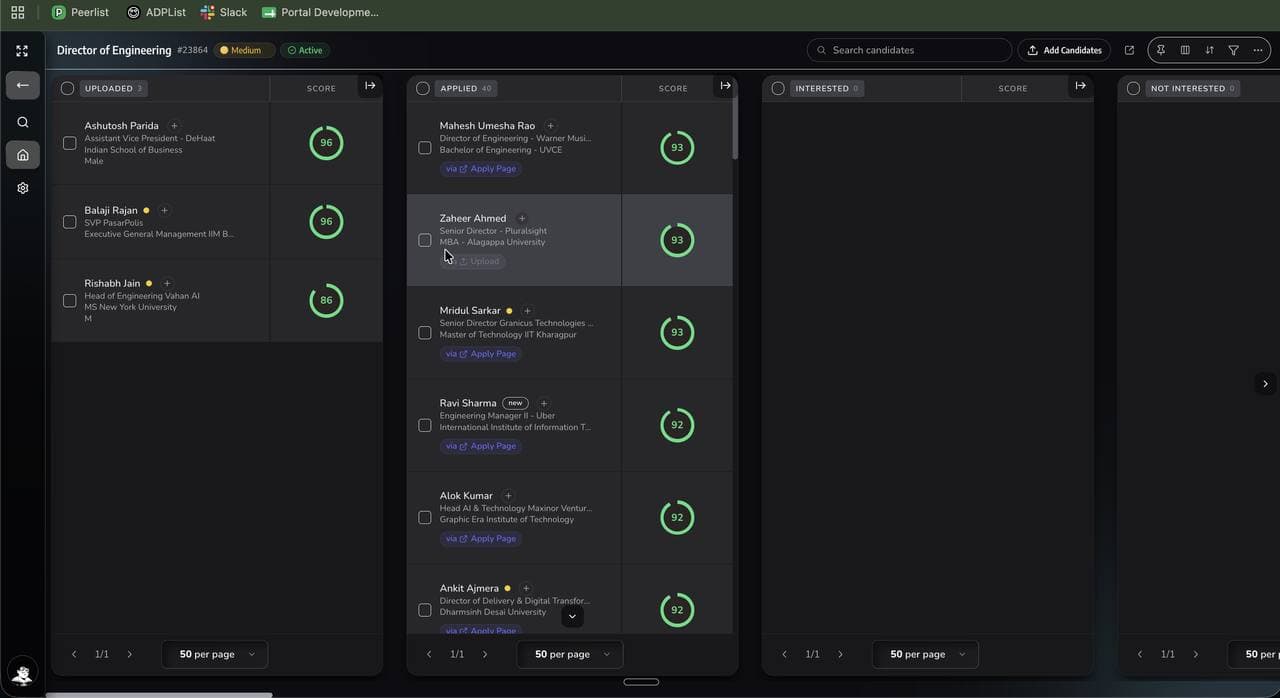
From 5 Recruiters to 50: What Breaks, and in What Order
The failures are predictable enough to plan against, and almost every firm discovers each one at the point it becomes expensive.
Read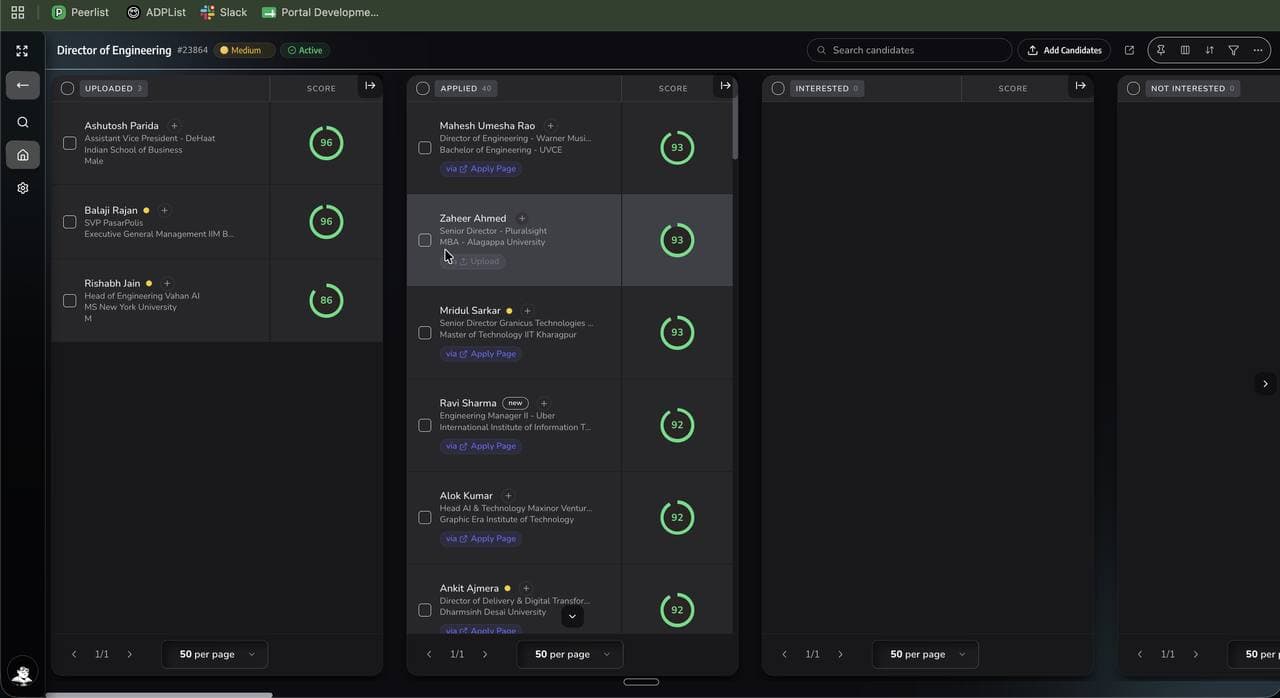
When to Hire Your Next Recruiter, and How to Know
The instinct to hire arrives when people feel busy. Busy and at capacity are different states with different remedies.
Read
Why Generalist Agencies Struggle and How to Pick a Niche
Everyone advises specialisation. Almost nobody explains that the mechanism is declining work you could have done.
Read
The Client Retention Playbook for Staffing Firms
Knowing why clients leave is diagnosis. This is the operating rhythm that prevents it, which is a different document.
Read
How to Get Onto a Preferred Supplier List
A PSL is a procurement outcome, not a sales one, and winning it changes your economics in ways firms rarely model beforehand.
Read
Account Management Versus Business Development: How to Structure the Team
The 360 versus split desk argument is usually had as a philosophy. It is a question about firm size and role complexity.
Read
Partnering With Complementary Talent Firms to Grow Together
Every agency has roles it cannot fill and capability nobody else knows about. Partnerships fix both and almost all of them collapse within a year.
Read
Building a Referral Engine Inside a Staffing Firm
Almost every agency has a referral scheme. Almost none of them produce what they should, and the reasons are administrative rather than clever.
ReadGlobal Selling & Pricing
14 articlesSelling a desk across borders: what each market expects on fees, markup and contracting, how the first overseas client is actually won, and what compliance the arrangement carries.
Offshore Recruitment Delivery: Time Zones, Handoffs and What Travels
Offshore delivery fails at the handoff, not at the sourcing. The model you choose determines how many handoffs there are.
Read
Cross-Cultural Client Management Across Markets
The same behaviour reads as thorough in one market and as stalling in another. Most international account problems start here.
Read
Cross-Border Staffing: Legal Entity, EOR and Who Actually Employs the Worker
Every international staffing arrangement turns on one question, and firms that answer it after winning the work create liability rather than revenue.
Read
How to Get Onto a VMS as a Supplier
Getting onto a vendor programme is an onboarding process. Getting requisitions from it is a separate problem that nobody explains beforehand.
Read
RPO Pricing Models and When Each One Works
RPO pricing determines whether volume changes help you or hurt you, and most providers discover which after signing.
Read
Contract Markup by Market: Where the Spread Actually Goes
Two agencies quoting the same markup in two countries can be earning completely different margins, and firms entering new markets learn this expensively.
Read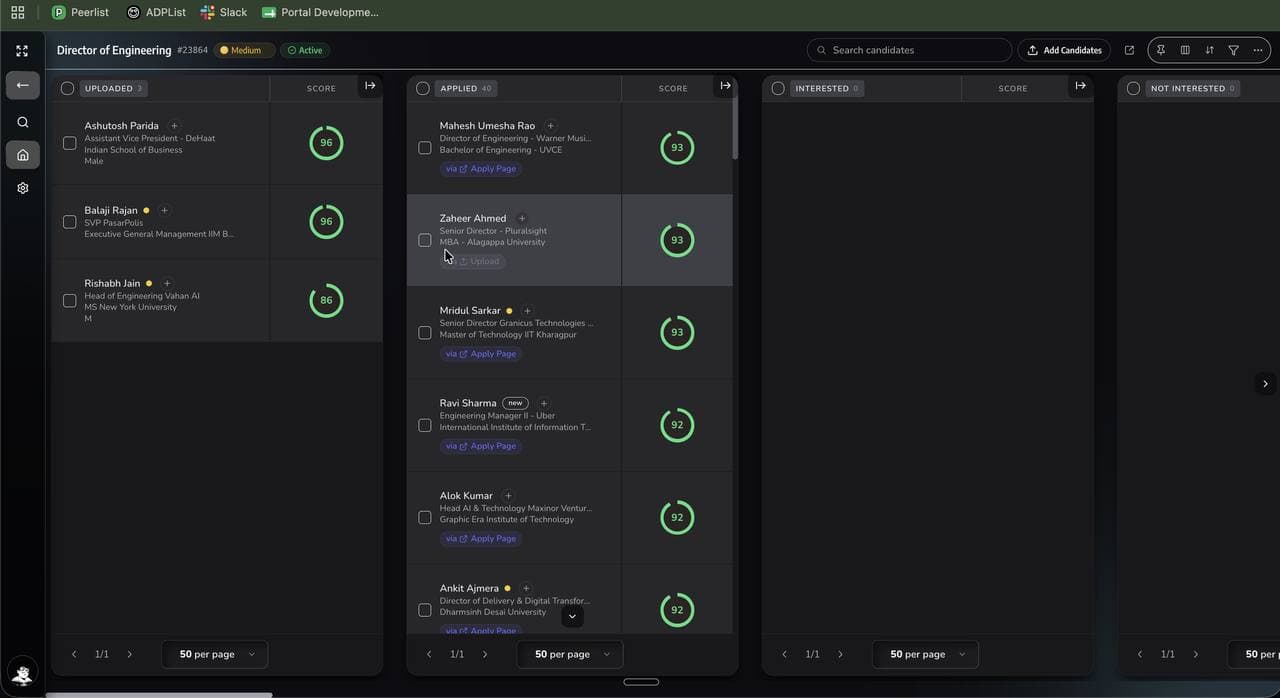
Global Recruitment Fee Structures: How Agencies Charge by Market
Fee levels vary by market for structural reasons. Understanding the reasons matters more than memorising the numbers, which move.
Read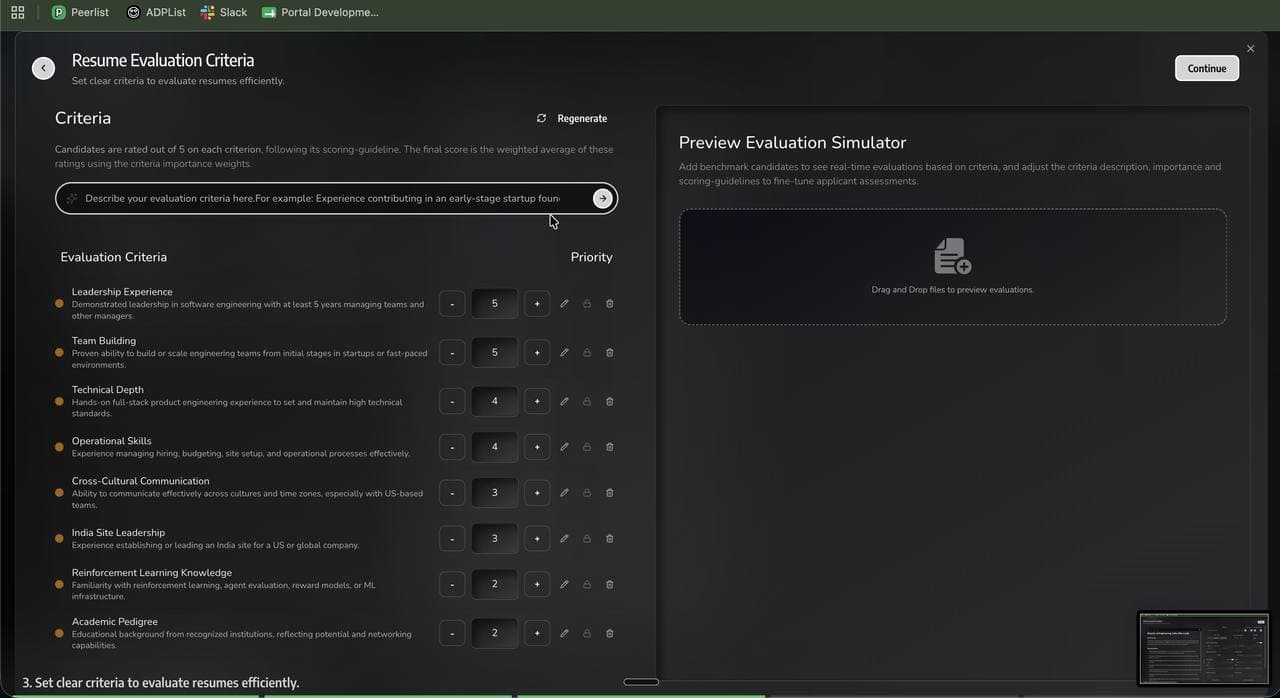
How to Price Staffing Services: Six Fee Models Compared
Most agencies use one pricing model for everything, which means they are mispricing most of what they do.
Read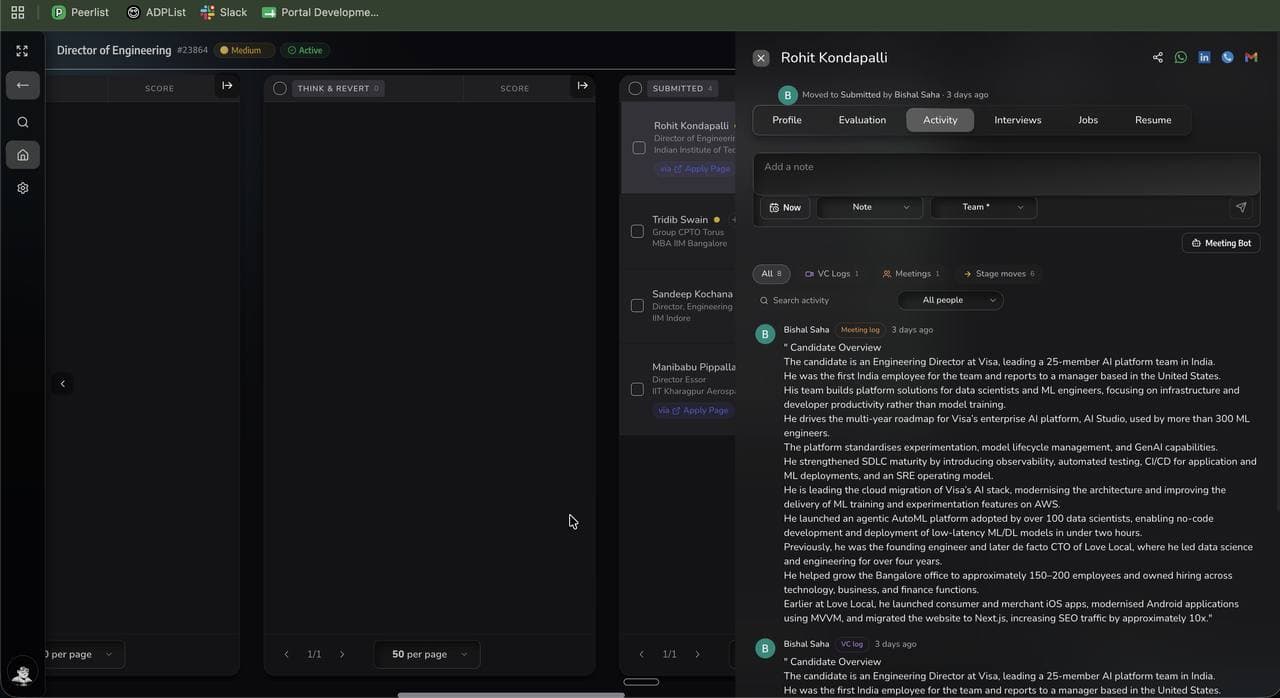
How to Land Your First Overseas Staffing Client
The first international client is a credibility problem rather than a sales problem, and the two require different approaches.
Read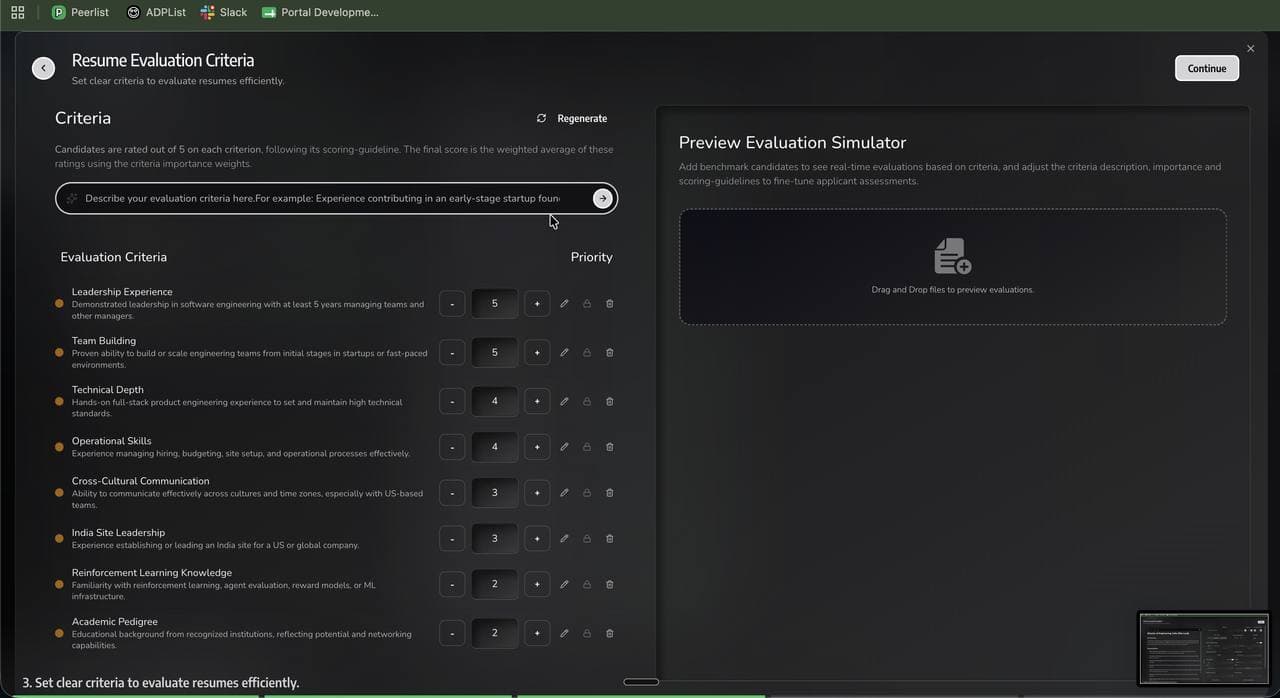
How to Sell Recruitment Services Into the Middle East
Gulf hiring runs on structures that do not exist elsewhere: nationalisation quotas, sponsorship, and relationships that precede any commercial conversation.
Read
How to Sell Recruitment Services Into Australia
A smaller market than the US or UK, more relationship-driven, and one where an unknown supplier gets less benefit of the doubt.
Read
How to Sell Recruitment Services Into Europe
Treating Europe as a single market is the error that defines most failed entries. It is a set of markets with different rules and different languages.
Read
How to Sell Recruitment Services Into the UK
The UK is the most regulated staffing market an offshore firm is likely to enter, and the regulation shapes how work is bought.
Read
How to Sell Staffing Services Into the US From India
The US is the largest staffing market in the world and the hardest one to sell into cold. Three routes work and two of them are indirect.
Read