Filling Niche Engineering Roles When Forty People in the Country Can Do the Job
Scarcity is not a harder version of a normal search. It is a different job with different economics and a different failure mode.
On most roles, a better process finds better candidates. On a genuinely scarce role, every agency reaches the same small population and process changes nothing about supply. What it changes is who gets there first, who is credible enough to be answered, and whether the client will accept the trade-offs that the actual market requires. Those three things, not sourcing capability, decide the outcome.
Last reviewed August 2026. Delivery observations from Sortinghat customer base, stated as directional.
Key takeaways
- Speed and credibility beat coverage. Everyone reaches the same people. Being answered is the differentiator.
- The client usually has to move on something. Location, compensation or an adjacent skill. Establishing which one early is the job.
- Contingency terms are the wrong structure here. Months of search effort against a probability of payment does not work at this supply level.
- Your own history is worth more than any external database. Somebody you spoke to two years ago will answer. A stranger will not.
Establishing that the role is actually scarce
Most roles described as impossible are not. They are badly defined, badly priced, or over-constrained on location.
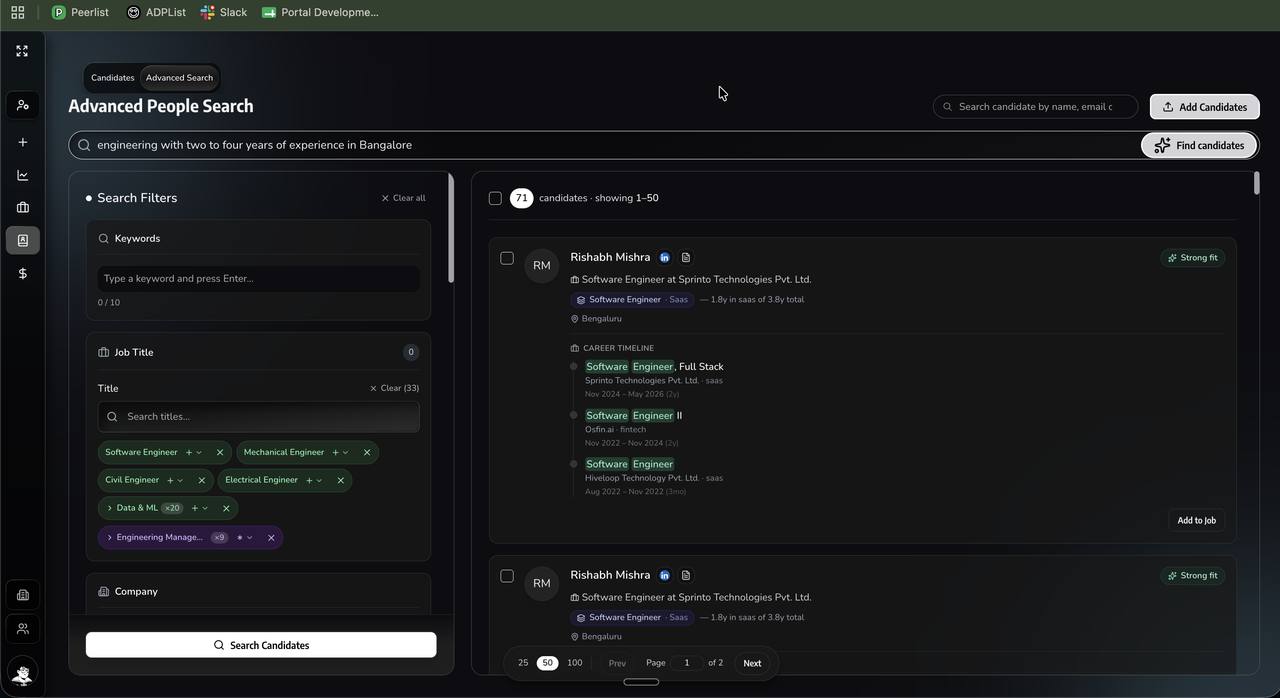
The test is a market map. Search on capability rather than title, remove one constraint at a time, and see what the population looks like at each step. Frequently the role opens up considerably when the location constraint softens or when one nice-to-have is dropped.
If the population is genuinely forty people, you now know something valuable and you can tell the client, which is a more useful first conversation than a shortlist of near-misses.
Why being answered matters more than reach
If every competing agency reaches the same forty people, then coverage is not a differentiator. Response is.
Three things move it. Somebody credible making the approach rather than a researcher with a template. A message that demonstrates understanding of what these people actually do. And a prior relationship, which is why your own database matters more here than any external source.
A person who spoke to your firm two years ago will read the message. A stranger with forty approaches in their inbox will not, which makes the depth of your own records the actual competitive asset on scarce roles.
The conversation the client has to have
On a scarce role, the client will have to move on something. The only question is which, and when they find out.
The four levers are compensation, location, the seniority band, and whether an adjacent skill set with a ramp-up period is acceptable. Every one of them is a real trade and clients rarely volunteer flexibility until presented with evidence.
The market map is that evidence. Telling a client that the combination they want exists in forty people, of whom eight are plausibly reachable, is a better use of week two than sending three candidates who almost fit.
Why the commercials have to change
Contingency terms assume that effort produces a reasonable probability of payment. On a forty-person population with several agencies competing, that probability is low enough that a rational firm should decline.
Retained or container terms fix the alignment. They also change client behaviour, which matters more than the fee: a client with money committed engages with the trade-off conversation instead of waiting to see whether somebody produces a miracle.
Firms that take these roles on contingency either abandon them quietly or work them badly, and both damage the relationship more than declining would have.
Adjacent skills, the answer that usually works
Most scarce-skill searches are eventually resolved by hiring somebody adjacent and accepting a ramp.
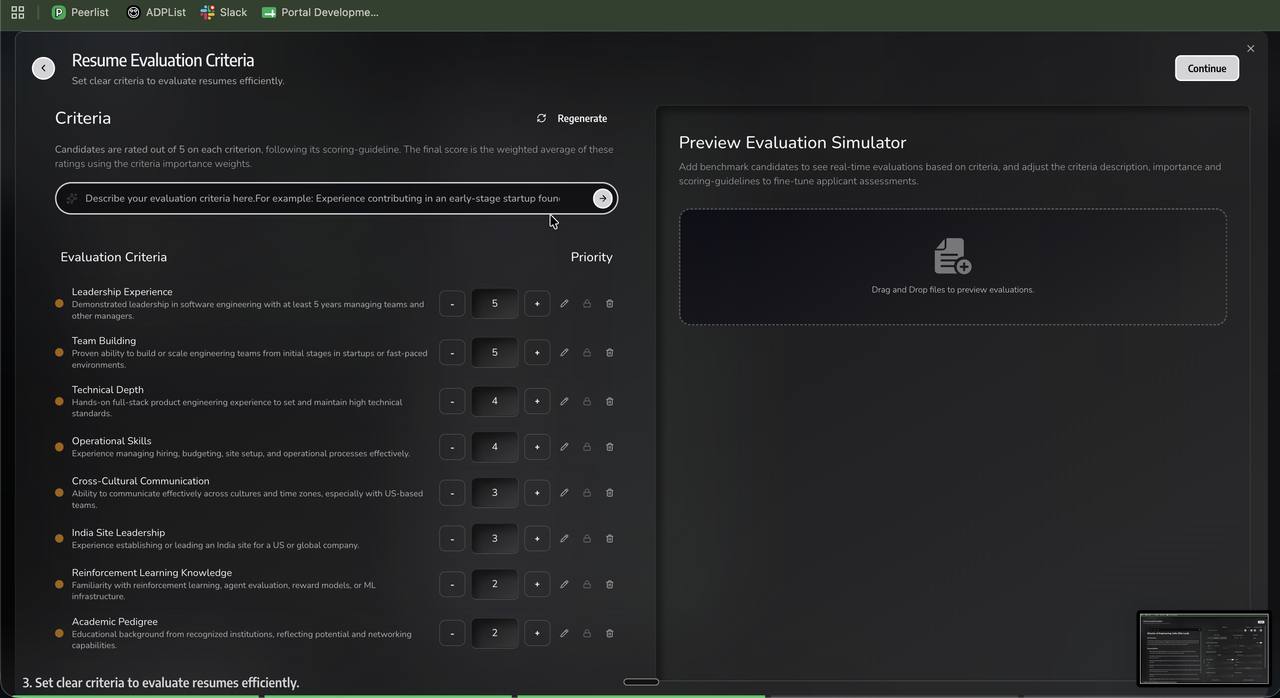
The useful preparation is to define, with the client, what adjacent means before the search stalls. Which fundamentals are non-negotiable, which domain knowledge can be learned, and how long the ramp is allowed to be.
That is a criteria conversation rather than a sourcing one, and doing it in week one rather than week eight is the difference between a filled role and an abandoned mandate. The mechanics are in how criteria get weighted.
Frequently asked questions
How do you fill a role when very few people can do it?
Establish first whether it is genuinely scarce by mapping the market against capability rather than title. If supply really is dozens, the job becomes being answered rather than being thorough, and preparing the client for a trade-off on compensation, location or adjacency.
Why is response rate more important than reach on scarce roles?
Because every competing agency reaches the same small population, so coverage is not a differentiator. A credible approach and a prior relationship decide who gets answered, which makes your own database more valuable than any external source.
Should scarce-skill roles be worked on contingency?
Generally not. Contingency assumes effort produces a reasonable probability of payment, and on a small contested population that probability is low. Retained or container terms align the work and change client engagement with the trade-off conversation.
What trade-offs do clients make on hard-to-fill roles?
Compensation, location, the seniority band, or accepting an adjacent skill set with a ramp-up period. Clients rarely volunteer flexibility until presented with a market map showing what the population actually looks like.
How do you define an adjacent skill set?
With the client, before the search stalls. Which fundamentals are non-negotiable, which domain knowledge can be learned on the job, and how long the ramp is allowed to be. That is a criteria conversation rather than a sourcing one.
Is a role that has been open for months genuinely scarce?
Frequently not. It is more often badly defined, badly priced or over-constrained on location. Removing one constraint at a time and observing how the population changes usually identifies which.
The map worth building before the shortlist
Before sourcing a scarce role, build the market map: how many people match on capability, how that number changes when you relax each constraint, and how many of them your firm has ever spoken to.
Present that in week two instead of three near-misses. It changes the client conversation from why have you not found anyone to which of these constraints should we move, which is the only conversation that ends with a placement.
Map a scarce role against your own records
Bring a role that has been open too long and we will show you the population and how it changes per constraint.
Book a demoFounder of Sortinghat, an AI-native ATS and CRM for staffing, search and RPO firms. Writes about recruiter capacity, sourcing economics and what actually changes when AI reaches a delivery desk. More about the author
Related reading
Talent Pool Software: How to Rank Your Own Database Before You Pay a Job Portal
WorkflowHiring Scorecards: How to Turn a Job Description Into Weighted Evaluation Criteria
AI ImpactAI and the Contingency Model: Does the Bet Still Work?
GrowthWhy Generalist Agencies Struggle and How to Pick a Niche