BFSI Hiring in India: What the GCC Shift Actually Changed
Banking hiring did not slow down. It moved, and a lot of agencies are still selling into the part that moved away.
Financial services hiring in India has been reshaped by the same force reshaping technology hiring: work that was bought from vendors is now done inside capability centres owned by the parent bank. Volume support roles have thinned while risk, compliance, quantitative and technology roles inside those centres have grown. Agencies still selling volume into the vendor layer are experiencing that as a downturn rather than as a relocation.
Last reviewed August 2026. Sector direction informed by NASSCOM and Zinnov GCC reporting.
Key takeaways
- The work moved rather than disappeared. From vendor contracts into capability centres owned by the bank.
- Role mix shifted towards judgement and regulation. Risk, compliance, quantitative analysis and technology rather than transaction processing.
- Regulatory roles have a different failure mode. Certification is checkable; judgement under ambiguity is what actually decides the hire.
- Your buyer changed with the work. From a vendor delivery manager to an internal talent function inside the bank.
What actually moved
The pattern mirrors what is happening across outsourcing, covered in what AI does to BPO.
Transaction processing, reconciliation and tier-one support were bought as services. As automation absorbed the routine portion, what remained was smaller and more complex, and banks concluded it was easier to control directly than to specify in a contract.
That work now sits inside capability centres. The headcount plan is permanent, the buyer is internal, and the vendor relationship that used to carry it has shrunk.
How the role mix changed
Four categories grew while volume support thinned.
Risk and compliance. Regulatory obligations do not automate, and the people who interpret them carry accountability that software cannot hold.
Quantitative and model risk. Model governance is a growing function precisely because more decisions are model-driven.
Technology. Core banking modernisation, data platforms and increasingly AI, competing for the same scarce supply described in India's AI talent gap.
Financial crime. Investigation and monitoring roles requiring judgement about ambiguous cases.
Why regulatory roles fail differently
The certification is checkable and it is the easy part. What decides whether somebody is useful is judgement under ambiguity: knowing when a case is genuinely borderline, and being willing to escalate rather than clear it.
That does not appear on a CV and it is not tested by asking about frameworks. It surfaces when a candidate is asked to describe a decision they got wrong, or a case where they disagreed with a colleague.
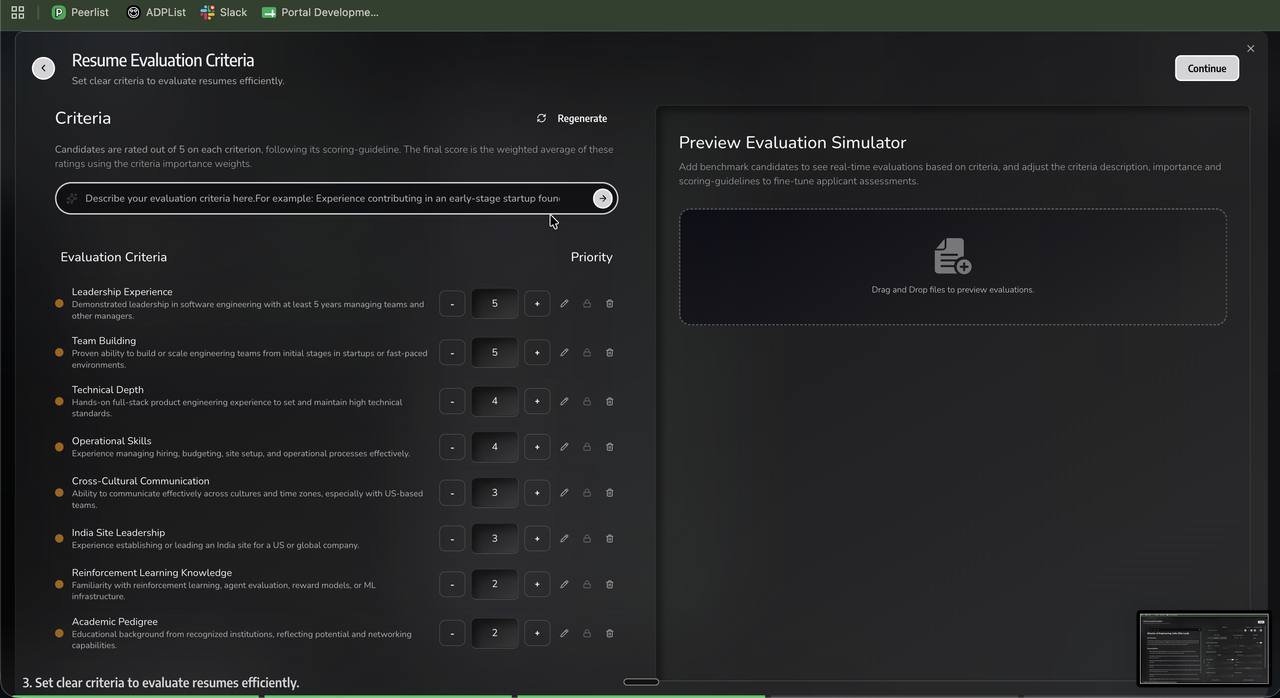
Screening for it requires the criteria to name it explicitly rather than defaulting to qualifications and years, which is what weighted criteria generated per role are for.
Your buyer changed
A vendor delivery manager buying contract staff behaves differently from an internal talent function inside a bank.
The internal buyer has a headcount plan, a compensation framework set by the parent, an approval chain that includes people outside India, and a reporting standard borrowed from the group function. They also have their own recruiting team, which means your timeline is benchmarked against theirs rather than against other agencies.
Firms that kept selling to the vendor layer are calling on a shrinking budget while the growing one sits at the same parent company, bought by somebody they have never contacted.
What did not change in BFSI hiring
Two things, worth stating because the shift above can sound total.
Relationships still carry the account. Financial services buyers are conservative about suppliers and slow to switch, which cuts both ways: hard to win, hard to lose. A firm with a genuine relationship inside a capability centre has a durable position.
Background verification remains non-negotiable. BFSI has always had a higher bar on employment history, criminal record and financial checks, and moving the work in-house has raised it rather than relaxed it. A candidate who fails verification at week six is a serious problem for the client and a credibility problem for you.
What this means practically
Map the parent, not the vendor. If a bank you serve through a services firm has a capability centre in India, that is the account.
Build depth in regulated functions. Risk, compliance and financial crime are less contested than technology and carry more durable demand.
Expect a higher reporting bar. Group functions compare your delivery against the same roles filled elsewhere.
Price on difficulty. Niche regulatory roles support fees that volume support never did.
Frequently asked questions
Has BFSI hiring in India slowed down?
The work moved rather than slowing. Volume support roles bought from vendors have thinned while risk, compliance, quantitative and technology roles inside bank-owned capability centres have grown. Agencies selling into the vendor layer experience relocation as a downturn.
Which BFSI roles are growing in India?
Risk and compliance, quantitative and model risk, technology including core modernisation and data platforms, and financial crime investigation. All four require judgement that does not automate and accountability software cannot hold.
Why do regulatory hires fail even when qualified?
Because the certification is the easy part. What decides usefulness is judgement under ambiguity: recognising a genuinely borderline case and being willing to escalate rather than clear it. That does not appear on a CV.
Who buys staffing services at a bank capability centre?
An internal talent function with a headcount plan, a compensation framework set by the parent, an approval chain including people outside India, and its own recruiting team against which your timeline is benchmarked.
How should staffing firms approach BFSI capability centres?
Map the parent bank rather than the vendor. If a bank you serve through a services firm operates a capability centre in India, that is where the growing headcount plan sits, usually bought by somebody the agency has never contacted.
Are BFSI fees better than technology staffing fees?
Niche regulatory roles support fees that volume support work never did, because supply is genuinely constrained and the consequence of a wrong hire is regulatory rather than operational.
The account map worth redrawing
List the banks and financial institutions you currently serve, then check which of them operate a capability centre in India. For most agencies the overlap is high and the number of those centres they have actually contacted is close to zero.
That gap is not a market problem. It is an account mapping problem, and it is fixable in a week.
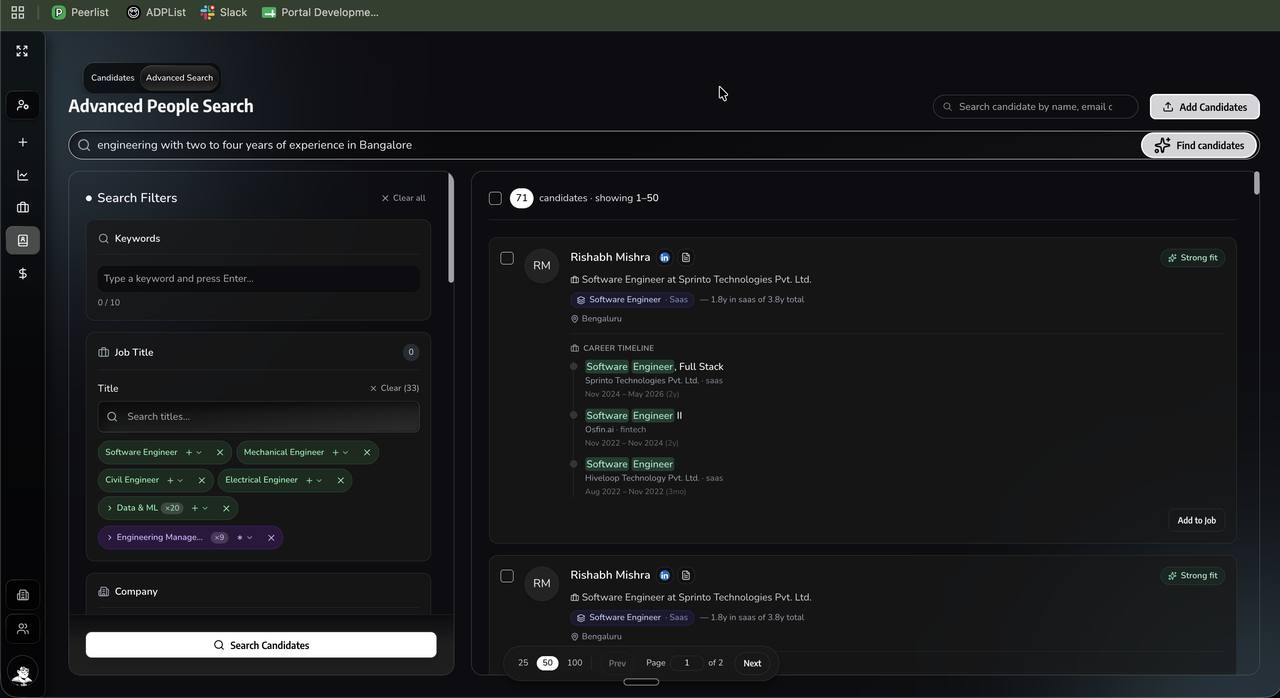
Search regulated roles by capability
Bring a risk or compliance requirement and we will show you what your database holds beyond job titles.
Book a demoFounder of Sortinghat, an AI-native ATS and CRM for staffing, search and RPO firms. Writes about recruiter capacity, sourcing economics and what actually changes when AI reaches a delivery desk. More about the author
Related reading